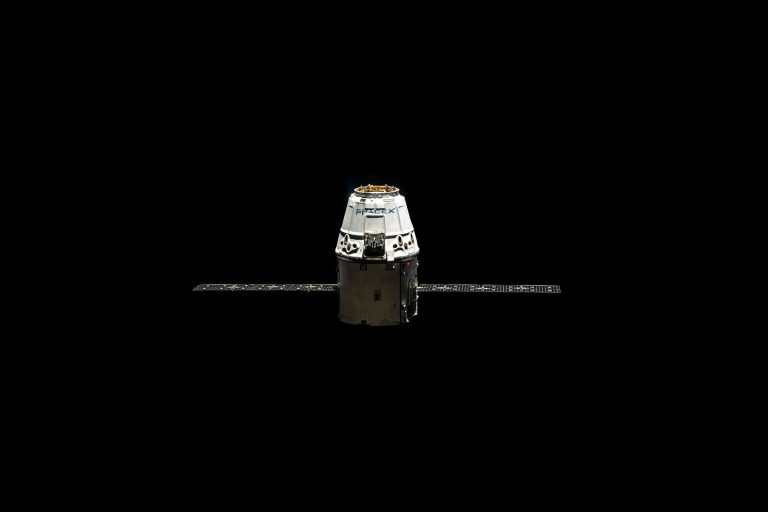
Nuri 5th flight has concluded, leaving many to wonder when success will be confirmed. The anticipation surrounding this mission continues to grow as experts analyze the outcome.
Overview of Nuri’s 5th Flight
The recent completion of Nuri’s 5th flight has brought both optimism and skepticism among experts and enthusiasts alike. This mission aimed to further validate the performance of the Nuri rocket, which has undergone significant development over the past few years.
While the launch was marked by advanced technology and considerable preparation, the results have sparked discussions about the future of space exploration in the region. The primary focus has been on how this flight can confirm the rocket’s reliability and operational capabilities.
In analyzing the outcomes, several factors have emerged that may affect the final assessment:
- Payload delivery: The success of the flight largely depends on whether the intended payload reached its designated orbit.
- Technical performance: Observations regarding the rocket’s systems and their functionality during flight are crucial.
- Future implications: The results will influence upcoming missions and developmental strategies.
As stakeholders await further analysis, questions linger about what this mission means for Nuri’s 5th flight and its implications for future endeavors in space technology.
What Went Wrong During the Launch?
During the launch of the Nuri 5th flight, several critical issues emerged that raised concerns among experts and stakeholders. These problems hindered the mission’s overall success and have led to questions about the rocket’s reliability.
Key factors contributing to the difficulties included:
- Technical Malfunctions: Various components failed to perform as expected, leading to a cascade of issues during the launch sequence.
- Weather Conditions: Unfavorable weather on the launch day forced last-minute adjustments, which may have affected the preparations.
- Communication Breakdowns: Limited communication between ground control and the rocket’s onboard systems caused delays in response times during critical phases of the flight.
- Fuel System Challenges: There were complications with the fuel system that raised alarms and prompted safety protocols to be enacted.
These setbacks have prompted discussions on how to address these vulnerabilities in future missions, as the Nuri program aims for a more reliable and successful trajectory moving forward.
Future Prospects for Nuri
The future prospects for Nuri, particularly after its 5th flight, remain a topic of considerable interest and speculation. While the recent launch did not yield the expected results, experts suggest that this setback could pave the way for future successes.
Despite the challenges faced, there are several factors that may contribute to a more favorable outcome in subsequent missions:
- Data Analysis: Engineers are currently analyzing flight data to identify the specific issues that led to the failure. This information will be crucial for making necessary adjustments.
- Technological Improvements: Continued investment in technology and innovation could enhance the performance of future launches.
- International Collaboration: Engaging with international aerospace agencies may provide access to advanced techniques and expertise.
- Increased Funding: Potential increases in funding from governmental and private sectors could accelerate development timelines.
Ultimately, while the Nuri 5th flight may be seen as a worst-case scenario, it could also serve as a catalyst for improvements that lead to successful outcomes in the future.
Expert Opinions on Success Confirmation
As the dust settles on Nuri’s 5th flight, experts are weighing in on the implications for future missions and the possibility of success confirmation. Many believe that this flight represents a crucial learning opportunity, despite its setbacks.
Dr. Emily Kim, an aerospace engineer, emphasized the importance of analyzing the flight data. “Each failed attempt provides invaluable insights that can lead to improvements in subsequent launches,” she stated. Professor Mark Lee from the Institute of Space Technology echoed these sentiments, noting that “the challenges faced during Nuri’s 5th flight are common in the early stages of rocket development.”
Some experts argue that the overall trajectory of Nuri’s program remains positive. Dr. Sarah Choi, a space policy analyst, remarked, “It’s essential to recognize that success isn’t merely about reaching orbit; it’s about the data and lessons learned.” This perspective suggests that while Nuri’s 5th flight may not have met immediate expectations, it could still pave the way for future triumphs in the program.
- Emphasis on data analysis for future improvements
- Common challenges in early rocket development
- Long-term perspectives on success confirmation
Comparing Nuri to Other Space Missions
The recent Nuri 5th flight has sparked discussions about its performance in comparison to other notable space missions. While Nuri has faced significant challenges, it is essential to evaluate its trajectory against more established programs.
Among the most comparable missions is South Korea’s KSLV program, which had a rocky start but eventually achieved success after multiple attempts. The KSLV’s journey illustrates how persistence can lead to breakthroughs, emphasizing that early setbacks do not necessarily predict future failures.
Additionally, the European Space Agency’s Ariane 5 faced initial launch failures but ultimately became a reliable workhorse for satellite deployments. This history of overcoming obstacles highlights that verification and improvement processes are crucial in space exploration.
Furthermore, the NASA Artemis program, although in its infancy, has experienced challenges similar to those faced by Nuri. Each mission brings its own set of trials, and the lessons learned can pave the way for future advancements.
In conclusion, while the Nuri 5th flight presents a case of disappointment, it mirrors the journey of many successful space missions that have needed time to refine their technologies and achieve reliability.
The Nuri 5th flight has raised concerns among experts regarding its reliability and performance. As analysts evaluate the data, the Nuri 5th flight serves as a critical case in the ongoing quest for proven success confirmation.
Read the original
You might also like
- Fitbit Edge Price Leak: Best €179 Tag Revealed
- Infinix Smart 20E specs: The Best New Phone Details Revealed
- Realme P4s Lite: Best Budget Phone with Proven Features
About the Author