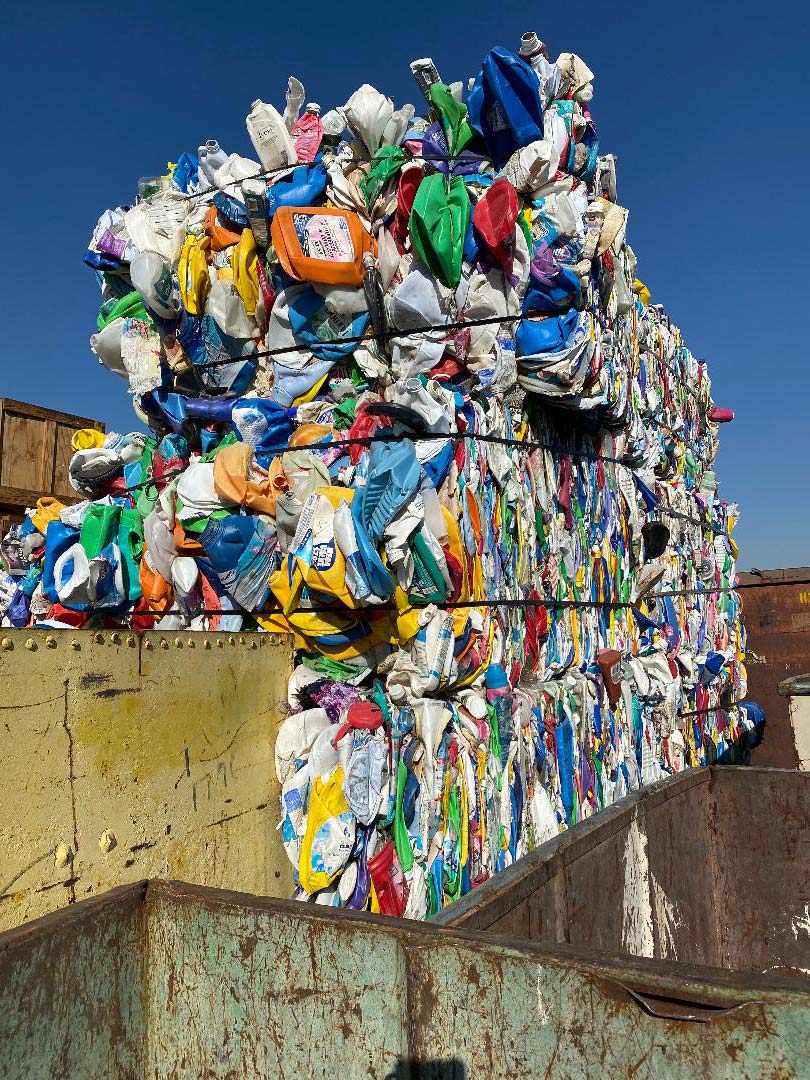
Plastic waste has become an increasingly critical global issue, and countries worldwide are grappling with the challenges it poses. One of the most effective solutions to mitigate this crisis is recycling plastic waste, particularly polypropylene (PP). Polypropylene is a versatile and widely used plastic found in everyday items such as food packaging, textiles, and automotive parts. PP recycle not only helps reduce environmental damage but also transforms waste into valuable resources that benefit individuals, industries, and the planet.
This article explores how PP recycling is addressing the waste problem and highlights its key benefits. By understanding the impact and potential of PP recycling, we can actively contribute to a sustainable and environmentally-friendly future.
The Growing Plastic Waste Crisis
Did you know that the world produces over 400 million tons of plastic waste every year? According to recent studies, only about 9% of this waste is recycled, while the rest ends up in landfills, incinerators, or the environment. Among the various types of plastics, polypropylene accounts for approximately 28% of global plastic production, making it one of the most significant contributors to plastic waste.
The improper disposal of plastic waste has dire consequences, including ocean pollution, harm to wildlife, and greenhouse gas emissions. With growing awareness of these issues, the demand for innovative recycling solutions, particularly for polypropylene, has escalated.
Recycling PP waste is not just a necessity but a tremendous opportunity to unlock its potential and transform it into useful goods.
Benefits of Recycling Polypropylene
Reduces Environmental Impact
Recycling polypropylene plays a pivotal role in reducing environmental harm. When PP waste is left unmanaged, it can take centuries to decompose, releasing harmful chemicals into the soil and groundwater. Additionally, incinerating plastics generates toxic emissions, contributing to air pollution and climate change.
By recycling PP, we can prevent these negative outcomes and cut down on greenhouse gas emissions. Research shows that recycling one ton of polypropylene saves over 5,000 pounds of carbon dioxide emissions compared to manufacturing virgin plastic. This significant reduction in the carbon footprint makes PP recycling an essential strategy in tackling climate change.
Conserves Natural Resources
Polypropylene is produced using fossil fuels such as crude oil and natural gas. The extraction and processing of these resources not only deplete finite reserves but also involve energy-intensive activities that harm ecosystems.
Recycling PP reduces the reliance on virgin plastic production, conserving valuable natural resources in the process. By reusing existing materials, the demand for oil and gas can be minimized, preserving these resources for future generations.
Saves Energy
Producing polypropylene from scratch requires a considerable amount of energy. From drilling and refining crude oil to polymerizing the material into plastic, the entire process is energy-intensive and contributes to greenhouse gas emissions.
Recycling PP consumes significantly less energy in comparison. Studies suggest that energy use can be reduced by up to 88% when producing recycled polypropylene versus virgin material. This energy efficiency not only benefits the environment but also lowers manufacturing costs, providing economic advantages for industries.
Creates New Products and Applications
One of the most compelling aspects of PP recycling is its ability to create a wide variety of new products. Recycled PP can be processed into high-quality raw materials that can be used in numerous industries, including:
- Packaging: Recycled PP is widely used to manufacture containers, bottles, and flexible packaging for food, beverages, and household products. With its durable and lightweight properties, it is an excellent material for reducing the environmental impact of packaging.
About the Author