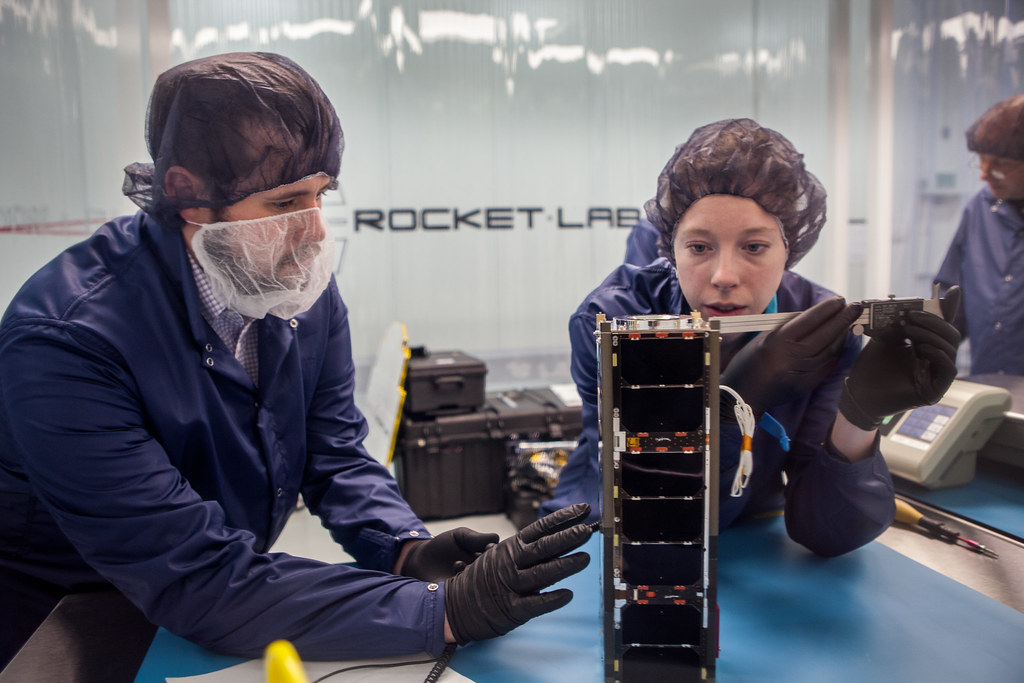
Rocket Lab Electron mission successfully launched HawkEye 360 satellites, demonstrating the company’s growing capabilities in the commercial space sector.
Overview of the Rocket Lab Electron mission
The Rocket Lab Electron mission has established itself as a reliable choice for satellite launches since its inception. With its recent success marked by the 98th launch, Rocket Lab continues to demonstrate its commitment to providing efficient and cost-effective access to space.
One of the key features of the Electron rocket is its unique design, which allows for rapid turnaround times between launches. This capability has made it particularly attractive for small satellite operators looking to deploy their payloads quickly. The Electron’s performance is further enhanced by the use of innovative technology, including 3D-printed engines and a lightweight carbon composite structure.
In its latest mission, Rocket Lab successfully launched HawkEye 360 satellites, which are designed to monitor radio frequency signals for various applications, including maritime domain awareness and environmental monitoring. This mission not only highlights the versatility of the Rocket Lab Electron mission but also its growing importance in the satellite industry.
Overall, the Electron rocket has solidified its position in the competitive aerospace landscape, providing a proven launch solution that meets the diverse needs of its clients.
Key features of the HawkEye 360 satellites
The HawkEye 360 satellites, launched aboard the Rocket Lab Electron mission, boast several key features that enhance their operational capabilities. These satellites are designed to deliver advanced radio frequency (RF) geolocation services, allowing for precise tracking of various signals.
- Multi-Satellite Constellation: HawkEye 360 operates a growing constellation of satellites, enabling comprehensive coverage and improved data collection.
- Advanced RF Payloads: Equipped with state-of-the-art sensors, these satellites can detect and analyze a wide range of RF signals from diverse sources.
- Real-Time Data Processing: The satellites can process data on-the-fly, providing timely insights to users in need of immediate information.
- Scalability: As new satellites are launched, the HawkEye 360 constellation can expand its capabilities, ensuring it meets the evolving demands of its users.
- Enhanced Collaboration: The data generated by these satellites aids in global security efforts, supporting various industries, including maritime and defense sectors.
Overall, the integration of HawkEye 360 satellites into the Rocket Lab Electron mission signifies a significant advancement in satellite technology and RF geolocation services.
Rocket Lab’s impact on commercial space launches
Rocket Lab has significantly transformed the landscape of commercial space launches with its Electron rocket, which has garnered a reputation for reliability and efficiency. The company’s commitment to providing frequent and cost-effective access to space has made it a preferred choice for small satellite operators around the globe.
With the successful launch of HawkEye 360 satellites during its 98th Electron mission, Rocket Lab solidifies its position as a leader in the small satellite launch market. This mission showcased not only the rocket’s impressive capabilities but also its adaptability to meet the diverse needs of its clients.
Key factors contributing to Rocket Lab’s impact include:
- Innovative technology: The Electron rocket is designed for rapid deployment, featuring advanced propulsion systems and a streamlined launch process.
- Frequent launches: With a regular launch schedule, clients can plan their satellite deployments more effectively.
- Cost efficiency: Rocket Lab’s competitive pricing makes it accessible for smaller companies and startups looking to enter the space industry.
As the Rocket Lab Electron mission continues to demonstrate success, the company is poised to play a pivotal role in the future of commercial space exploration.
Future missions planned by Rocket Lab
Rocket Lab has ambitious plans for its future missions following the success of the recent Electron mission that launched HawkEye 360 satellites. The company aims to expand its capabilities and serve a wide range of clients in the growing commercial space sector.
Upcoming missions include:
- Dedicated Launches: Rocket Lab will continue to offer dedicated launches for various payloads, allowing clients to schedule missions tailored to their needs.
- Small Satellite Deployments: The Electron rocket is specifically designed for small satellite deployments, and Rocket Lab plans to capitalize on this market by engaging with more customers looking to send their satellites into orbit.
- International Collaborations: The company is exploring partnerships with international space agencies and organizations to broaden its reach and enhance its launch services.
- Technological Advancements: Rocket Lab is committed to further improving its launch vehicle technology, ensuring that future Electron missions are even more reliable and cost-effective.
As the demand for satellite launches increases, Rocket Lab is positioned to play a pivotal role in shaping the future of space exploration and commercial ventures.
The recent achievements of the Rocket Lab Electron mission have solidified its reputation in the aerospace industry. With each successful launch, the Rocket Lab Electron mission demonstrates its reliability and efficiency in delivering payloads to space.
By NASAKennedy via Openverse
Read the original
You might also like
- On-Chain AI Compute: The Smart Way to Expand Markets
- NVIDIA GeForce RTX modding: Unlocking Proven Tensor Core Thrust
- CRISTAL ice mission: A Smart Step for Space Exploration
About the Author