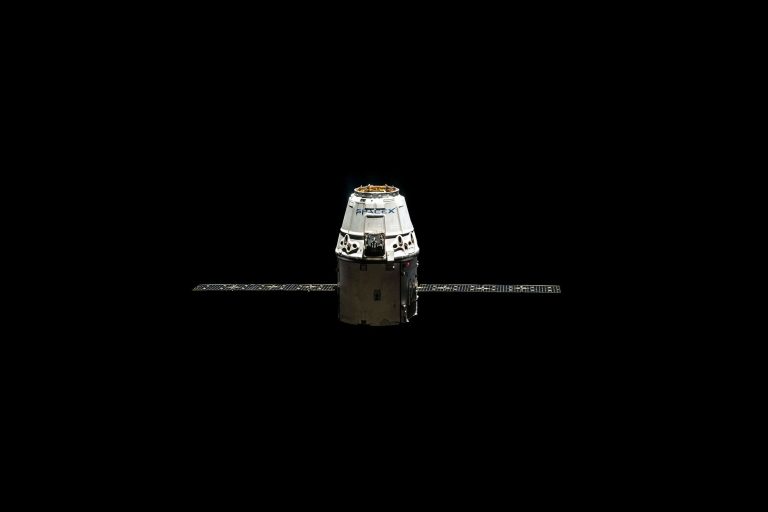
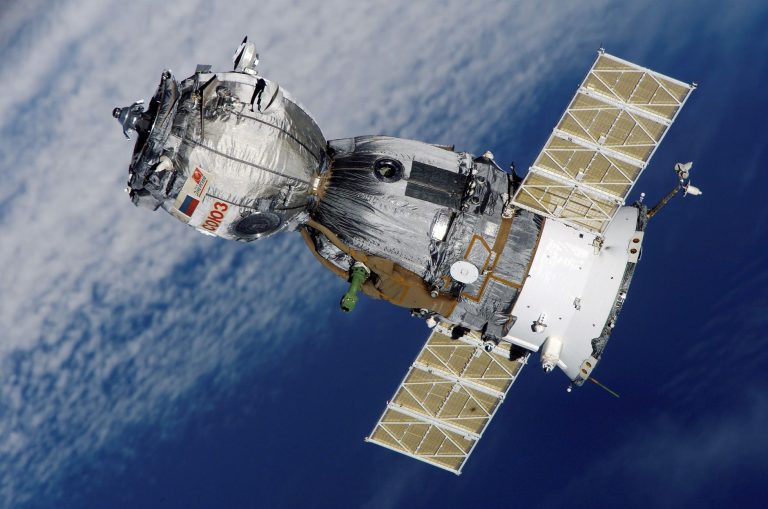
The CRISTAL ice mission is poised to make significant advancements in space exploration. This innovative project aims to unlock new insights about cosmic phenomena.
Overview of the CRISTAL Ice Mission
The CRISTAL ice mission represents a significant advancement in our pursuit of understanding the cosmos. This innovative project aims to explore the icy bodies within our solar system, providing crucial insights into their composition and potential for supporting life.
Developed by a collaborative team of scientists and engineers, the CRISTAL mission is designed to study a variety of icy moons and planets, including Europa and Enceladus. Utilizing state-of-the-art technology and instrumentation, the mission will analyze surface materials, subsurface oceans, and other geological features that can reveal the history and dynamics of these celestial bodies.
Key objectives of the CRISTAL ice mission include:
- Identifying water sources: Mapping potential water reservoirs that could harbor life.
- Characterizing ice composition: Analyzing the chemical makeup of ice to understand its origins.
- Assessing habitability: Evaluating conditions that might support biological processes.
By focusing on these areas, the CRISTAL ice mission aims to open new avenues for space exploration and enhance our understanding of the universe. With this mission, scientists hope to unlock the secrets of ice-covered worlds and their potential to sustain life, paving the way for future explorations beyond our planet.
Importance of Ice Research in Space
The exploration of ice in space holds significant importance for advancing our understanding of the cosmos and supporting future missions. The CRISTAL ice mission aims to unravel the mysteries of water ice located on celestial bodies, which could be crucial for sustaining human life beyond Earth.
Ice is not only a potential resource but also offers insights into the history and evolution of various planetary bodies. Scientists believe that studying ice can:
- Reveal clues about planetary formation: Ice can preserve ancient materials, providing a glimpse into the conditions of the early solar system.
- Support future colonization: Understanding the distribution of water ice can help identify suitable locations for human habitats on Mars or other icy moons.
- Enhance our understanding of climate: Analyzing ice samples can shed light on past climate conditions and help predict future changes on Earth and other planets.
- Facilitate in-situ resource utilization: Extracting water from ice can support life support systems during long-duration space missions, reducing the need to transport water from Earth.
Through the CRISTAL ice mission, researchers hope to gather vital data that will not only enrich our knowledge but also pave the way for sustainable exploration of our solar system.
How CRISTAL Will Change Space Exploration
The CRISTAL ice mission is set to revolutionize our understanding of ice in space, offering unprecedented insights that could reshape future exploration initiatives. By utilizing advanced technology to investigate ice formations on celestial bodies, CRISTAL aims to uncover vital information about the origins of water in the universe and the potential for extraterrestrial life.
One of the key advancements of the CRISTAL mission is its ability to analyze the chemical composition of ice samples in real time. This capability allows scientists to identify not only the presence of water but also other essential compounds that may be crucial for sustaining life. The mission’s findings could significantly influence how we approach future missions to icy moons and planets.
Additionally, CRISTAL will enhance our understanding of the geological processes that govern ice formation in space. By examining ice in various environments, researchers hope to develop models that predict how ice behaves under different conditions, which is fundamental for planning manned missions to destinations like Europa or Enceladus.
- Real-time chemical analysis of ice samples
- Insights into potential extraterrestrial life
- Understanding geological processes related to ice
In summary, the CRISTAL ice mission represents a smart step forward in space exploration, promising to bridge gaps in our knowledge and pave the way for future discoveries.
Future Prospects for Space Missions
The successful launch of the CRISTAL ice mission marks a pivotal moment in our understanding of extraterrestrial ice formations and their implications for future space exploration. As scientists delve deeper into the data collected, the prospects for subsequent missions become increasingly promising.
One of the most exciting avenues for exploration is the potential for resource utilization. By understanding the composition and distribution of ice on celestial bodies, future missions could focus on harvesting these resources. This could support long-term human habitation on the Moon, Mars, and beyond, making the dream of interplanetary travel more feasible.
Moreover, the CRISTAL ice mission serves as a technological prototype for upcoming missions. The instruments and methods developed for CRISTAL can be adapted for other exploratory missions in our solar system, enhancing our ability to study environments that were previously deemed inaccessible.
In addition, the collaboration between international space agencies and research institutions promises to foster innovation and knowledge sharing. This collective effort could lead to breakthroughs in both space technology and our understanding of planetary systems.
As our capabilities expand, the next decade holds the potential for significant discoveries that could reshape our understanding of the universe. With CRISTAL at the forefront, the future of ice research in space is bright.
Where this came from
Related reading
AI adoption small businesses: Proven strategies for success · India-US ties: The Right Deal-Making Strategy for Growth · Oppo Find X10 series: The Best Phone Launch in India
About the Author