post-quantum satellite cloud technology is revolutionizing how we secure data in space. SEALSQ and WISeKey are at the forefront of this innovation.
What is Post-Quantum Satellite Cloud?
The concept of post-quantum satellite cloud technology is emerging as a revolutionary approach to secure data transmission and storage in the digital age. As quantum computing advances, traditional encryption methods may become vulnerable to attacks, prompting the need for innovative solutions.
Post-quantum satellite cloud combines the robust capabilities of satellite communication with advanced cryptographic techniques designed to withstand potential threats posed by quantum computers. This hybrid model leverages satellite technology to provide widespread connectivity while ensuring that data remains secure through the use of post-quantum cryptography.
Key features of post-quantum satellite cloud technology include:
- Enhanced Security: By employing cryptographic algorithms that are resistant to quantum attacks, organizations can protect sensitive information from future threats.
- Global Reach: Satellite networks offer extensive coverage, making it possible to deliver secure cloud services even in remote areas.
- Scalability: The architecture allows for easy expansion, enabling more users and devices to connect securely.
As the world moves towards a more interconnected future, the integration of post-quantum satellite cloud technology represents a proactive step in safeguarding digital assets against evolving security challenges.
Importance of Quantum Security
The rise of cyber threats in our increasingly digital world underscores the need for robust security measures. Quantum computing poses new challenges to traditional encryption methods, making it essential to adopt innovative solutions that can withstand future attacks. Post-quantum satellite cloud technology stands at the forefront of this evolution, offering enhanced security in data transmission and storage.
As cybercriminals become more sophisticated, they exploit vulnerabilities in existing systems. The importance of quantum security lies in its ability to protect sensitive information from these emerging threats. Key aspects include:
- Resilience to Quantum Attacks: Post-quantum algorithms are designed to withstand decryption by quantum computers, ensuring data integrity.
- Global Connectivity: Satellite networks can provide secure communication channels across vast distances, making them ideal for critical infrastructure.
- Adaptability: The technology can evolve alongside advancements in quantum computing, maintaining its relevance in an ever-changing landscape.
By integrating post-quantum satellite cloud solutions, organizations can safeguard their digital assets and build trust with clients and stakeholders. As the digital landscape continues to transform, prioritizing quantum security becomes not just a necessity, but a strategic advantage for businesses navigating this complex environment.
SEALSQ and WISeKey Partnership
In a significant move towards enhancing cybersecurity, SEALSQ has announced a partnership with WISeKey to advance the development of a post-quantum satellite cloud. This collaboration aims to provide robust quantum-resistant solutions that address the growing concerns surrounding data security in the face of emerging quantum computing technologies.
The partnership leverages SEALSQ’s expertise in digital identity and IoT security, alongside WISeKey’s extensive experience in secure communications and data protection. Together, they are set to create a system that not only meets current encryption standards but also anticipates future threats posed by quantum computing.
Key objectives of the SEALSQ and WISeKey partnership include:
- Development of Quantum-Resistant Technologies: Innovating encryption methods that can withstand quantum attacks.
- Integration with Satellite Infrastructure: Utilizing satellite technology to provide widespread access to secure cloud services.
- Enhanced Data Protection: Ensuring that user data remains secure and private in an era of quantum advancements.
This partnership represents a critical step forward in the realm of cybersecurity, aiming to establish a reliable post-quantum satellite cloud that can safeguard sensitive information from future threats. As quantum technology continues to evolve, initiatives like this will be essential in maintaining the integrity of digital communications.
How This Technology Works
The post-quantum satellite cloud technology integrates advanced quantum computing principles with satellite communications, offering a new paradigm in data security and transmission. This innovative system functions by leveraging quantum key distribution (QKD), which allows for the secure exchange of cryptographic keys between parties. Unlike traditional methods, QKD is based on the principles of quantum mechanics, making it nearly impervious to eavesdropping.
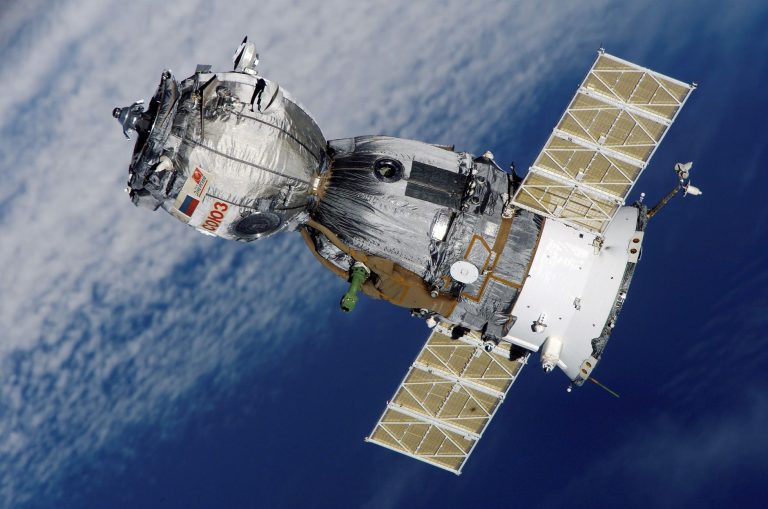
At the core of the technology are satellites equipped with sophisticated quantum systems that are capable of transmitting quantum-encrypted data over vast distances. These satellites act as intermediaries, facilitating secure communication links between ground stations or directly to user devices. The use of satellite infrastructure not only enhances coverage but also provides resilience against potential attacks that could target terrestrial networks.
The operational process begins with the generation of quantum bits, or qubits, which are then transmitted via the satellite. Upon reaching the receiving end, the qubits are measured to derive a shared key, ensuring that any interception attempts would alter the state of the qubits and alert the communicating parties to potential security breaches.
As a result, the post-quantum satellite cloud stands as a proactive solution against future quantum threats, ensuring that sensitive data remains protected in an increasingly digital world.
Future of Space Data Security
The future of space data security is intricately tied to the evolution of technologies such as the post-quantum satellite cloud. As quantum computing advances, traditional encryption methods may become vulnerable to new types of cyber threats, necessitating a shift towards quantum-resistant solutions.
Organizations and governments are increasingly recognizing the importance of safeguarding sensitive information transmitted through satellites. The post-quantum satellite cloud offers a promising framework for addressing these security challenges.
- Enhanced Encryption: Utilizing advanced cryptographic algorithms, the post-quantum satellite cloud ensures that data remains secure even against powerful quantum attacks.
- Global Connectivity: This technology facilitates secure communication worldwide, making it essential for both commercial and governmental operations.
- Scalability: The integration of post-quantum security measures allows for scalable solutions that can adapt to the evolving landscape of cyber threats.
- Collaboration: Partnerships between tech leaders, such as SEALSQ and WISeKey, are crucial in developing and implementing these advanced security solutions.
As the reliance on satellite systems continues to grow, the post-quantum satellite cloud represents a strategic advancement in ensuring data integrity and confidentiality in the digital age. The focus on strong, quantum-resistant encryption methods paves the way for a more secure future in space data security.
Challenges in Quantum Computing
As the realm of quantum computing continues to evolve, several challenges remain before the full potential of the post-quantum satellite cloud can be realized. These challenges span technical, practical, and regulatory dimensions, necessitating comprehensive solutions to ensure a secure future.
One of the primary technical challenges is the development of robust quantum algorithms that can efficiently handle the complexities of satellite communications. Unlike classical algorithms, quantum algorithms can pose unique obstacles in terms of data processing and transmission.
Additionally, there is a significant need for standardization in quantum cryptography protocols. The absence of universally accepted standards can lead to fragmentation within the industry, making it difficult for different systems to communicate securely. This lack of interoperability could hinder the widespread adoption of post-quantum solutions.
Practical implementation issues also persist, as transitioning from traditional systems to quantum-based technologies involves substantial investment and training. Organizations must adapt their infrastructure and workforce to accommodate these advanced technologies, which can be a daunting task.
Finally, regulatory frameworks surrounding the use of quantum technologies are still in their infancy. Policymakers must address security concerns and establish guidelines that promote innovation while safeguarding sensitive data.
Addressing these challenges will be crucial for the successful integration of post-quantum satellite cloud technologies into the global digital landscape.
Photo by Phúc Phạm on Pexels
Read the original
Related reading
Roku screensaver removal: Is it the worst decision ever? · Reliance Jio unlimited plan: Best deal for connectivity · Realme 17T 5G: The Smart Changes We Need to See
About the Author