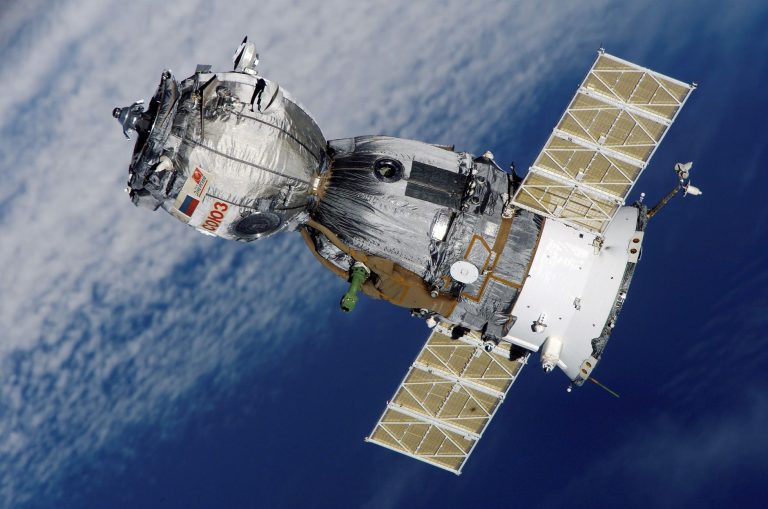
AI satellite computing is set to transform the way we approach space technology. Google’s recent launch of an AI satellite aims to test the potential of space-based computing.
What is AI Satellite Computing?
AI satellite computing refers to the integration of artificial intelligence with satellite technology to enhance data processing capabilities in space. This innovative approach allows satellites to operate with greater efficiency, enabling them to analyze vast amounts of information in real time. By deploying AI algorithms, satellites can make autonomous decisions, reducing the need for constant communication with ground stations.
One of the key advantages of AI satellite computing is its ability to improve data collection and transmission. Traditional satellites often rely on pre-programmed instructions and manual oversight, which can limit their responsiveness to changing conditions. However, with AI, satellites can adapt to new environments and optimize their functions based on the data they receive.
In addition to enhancing operational efficiency, AI satellite computing opens up new possibilities for a variety of applications:
- Earth Observation: Monitoring climate change and natural disasters.
- Telecommunications: Improving bandwidth allocation and signal processing.
- Aerospace Research: Supporting scientific experiments in microgravity.
As demonstrated by recent advancements, AI satellite computing is poised to revolutionize how we utilize space technology and address global challenges.
How Google is Leading in Space Technology
Google is making significant strides in the rapidly evolving field of AI satellite computing. The recent launch of their AI satellite marks a pivotal moment in the integration of artificial intelligence and space technology. This ambitious project aims to explore the potential of space-based computing while enhancing data processing capabilities in orbit.
One of the key features of Google’s approach is the use of advanced machine learning algorithms to analyze vast amounts of data collected from space. This capability allows for real-time analysis and decision-making, which can be crucial for various applications, including climate monitoring, disaster response, and resource management.
Google’s investments in satellite technology are not just about data collection; they are also focused on developing the infrastructure needed to support AI-driven solutions. By collaborating with aerospace experts and leveraging cutting-edge innovations, the company is positioning itself as a leader in space technology.
As the world increasingly relies on satellite data for numerous applications, Google’s efforts in AI satellite computing could set new standards for efficiency and accuracy. The implications of this technology could redefine how we understand our planet and manage its resources.
Benefits of Space-Based Computing
AI satellite computing offers a multitude of benefits that can significantly enhance our capabilities in space exploration and data analysis. Some of the key advantages include:
- Real-Time Data Processing: Satellite systems equipped with AI can process data on-site, reducing the need to send large volumes of data back to Earth for analysis.
- Increased Efficiency: With AI algorithms, satellites can make autonomous decisions, optimizing their operations and improving the overall efficiency of missions.
- Enhanced Data Accuracy: AI satellite computing can analyze environmental conditions and adapt to changing situations, leading to more accurate data collection and interpretation.
- Cost Reduction: By utilizing AI in satellite technology, operational costs can be significantly lowered, as fewer resources are required for data transmission and processing.
- Improved Disaster Response: AI satellites can provide timely information during natural disasters, enabling quicker responses and more effective aid distribution.
Overall, the integration of AI satellite computing represents a revolutionary leap in space technology, promising to improve how we gather, analyze, and utilize data from our planet and beyond.
Challenges Facing AI Satellites
As the field of AI satellite computing advances, several challenges must be addressed to maximize its potential. These challenges span across technical, operational, and regulatory domains.
- Technical Limitations: Current satellite technology often struggles with bandwidth and latency issues, which can hinder real-time data processing and analysis. Enhancements in communication technology are essential for effective AI integration.
- Power Supply: Satellites operate under strict power constraints. Implementing AI solutions can increase energy demands, making it necessary to develop more efficient power management systems.
- Data Privacy: As AI satellites collect vast amounts of data, concerns regarding data privacy and security arise. Ensuring compliance with international regulations is vital.
- Cost Implications: The high cost of launching and maintaining satellites equipped with AI capabilities may deter investment from smaller companies and organizations.
- Environmental Impact: The environmental implications of launching more satellites into orbit cannot be overlooked, as space debris poses a growing threat to existing satellites.
Addressing these challenges will be crucial for harnessing the full capabilities of AI satellite computing and realizing its transformative potential in the future.
Future of AI in Space Exploration
The future of AI satellite computing holds immense promise for the field of space exploration. As technology continues to advance, the integration of artificial intelligence into satellite systems is expected to revolutionize how we gather, process, and analyze data from space.
One of the key advantages of AI in this domain is its ability to enhance autonomous decision-making capabilities. Satellites equipped with AI can analyze vast amounts of data in real-time, allowing for quicker responses to changing conditions and enabling scientists to make more informed decisions based on accurate, up-to-date information.
Moreover, AI satellite computing can significantly improve the efficiency of missions. By optimizing resource allocation and analyzing mission parameters, AI can help ensure that satellites operate at peak performance while minimizing operational costs.
As we look toward the future, several exciting developments are on the horizon:
- Improved satellite imagery analysis for Earth monitoring.
- Advanced communication systems to enhance data transfer rates.
- Collaborative networks of satellites working together autonomously.
- Enhanced predictive modeling for climate change and natural disasters.
These advancements signify a new era of exploration, where AI satellite computing will play a central role in unlocking the mysteries of our universe.
Comparing Traditional vs. AI Satellite Technology
As the space industry continues to evolve, a significant comparison emerges between traditional satellite technology and the innovative approach of AI satellite computing. Traditional satellites operate on predefined algorithms and require substantial human intervention for data processing and decision-making. This often results in delays and inefficiencies, particularly when immediate responses are needed in dynamic environments.
In contrast, AI satellite computing harnesses the power of artificial intelligence to analyze data in real-time, enabling faster decision-making and enhanced operational efficiency. Unlike their traditional counterparts, AI satellites can learn from their environments, adapt their functions, and optimize their performance without constant human oversight.
Key differences between the two technologies include:
- Data Processing: Traditional satellites process data on Earth, while AI satellites can analyze information on-board, reducing transmission time.
- Autonomy: AI satellite computing allows for autonomous operations, minimizing the need for ground control intervention.
- Scalability: AI systems can be easily updated and scaled, enhancing their capabilities as technology advances.
As AI satellite computing continues to develop, it promises to redefine our understanding of space technology, making it a vital component in future missions and exploration efforts.
Implications for Global Communication
The emergence of AI satellite computing has significant implications for global communication, enhancing connectivity in ways previously thought impossible. Traditional communication satellites often face limitations due to latency and bandwidth constraints. However, AI-driven systems can optimize data transmission and improve response times, ensuring that users across the globe experience seamless connectivity.
One of the most promising aspects of AI satellite computing is its potential to bridge the digital divide in remote and underserved areas. By deploying AI-equipped satellites, internet access can be expanded to regions that have historically struggled with connectivity issues. This not only empowers individuals but also boosts local economies by facilitating education and commerce.
Furthermore, AI satellite systems can adapt to varying demands on the network in real-time, efficiently reallocating resources to areas experiencing high traffic. This dynamic management of communication channels leads to more reliable service, particularly during emergencies when communication infrastructure may be compromised.
As countries and organizations continue to invest in AI satellite technology, the landscape of global communication is set to transform dramatically. The enhanced capabilities of these systems promise a future where connectivity is not just a privilege, but a universal right.
By jurvetson via Openverse
References
- AI model prices: What is the best deal in 2023?
- Screen Saver trailer: The Best Proven Insights You Need
- AI Academy India: Is This the Best Free Learning Opportunity?
About the Author