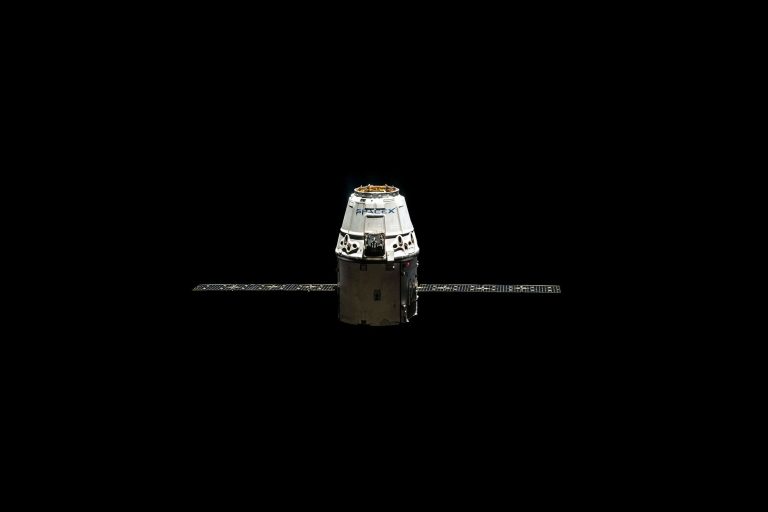
Voyager 1 photos capture the essence of space exploration, showcasing breathtaking images taken by the first spacecraft to reach 1 light-day from Earth.
The Journey of Voyager 1
Launched on September 5, 1977, Voyager 1 embarked on its historic journey to explore the outer planets and beyond. As the first spacecraft to reach 1 light-day from Earth, it has provided humanity with an unprecedented glimpse into the mysteries of our solar system. Over the decades, Voyager 1 has transmitted a wealth of data back to Earth, including stunning Voyager 1 photos that capture the beauty and diversity of celestial bodies.
Its mission has taken it past Jupiter and Saturn, revealing details of their atmospheres and moons, and it continues to travel through interstellar space. The unparalleled Voyager 1 photos serve not only as scientific documentation but also as art that inspires future generations to look toward the stars.
Significance of Voyager 1
The significance of Voyager 1 extends far beyond its technological achievements. As the first spacecraft to reach one light-day from Earth, it has provided humanity with unparalleled insights into our solar system. The images captured by Voyager 1 are not just photographs; they are a testament to human curiosity and the quest for knowledge. Each of these Voyager 1 photos offers a glimpse into the mysteries of distant planets, moons, and other celestial phenomena.
Moreover, the mission has paved the way for future explorations, inspiring generations of scientists and astronomers. The data collected has reshaped our understanding of planetary science and has sparked interest in the potential for life beyond Earth. In essence, Voyager 1 is a symbol of exploration and the relentless pursuit of discovery in the cosmos.
Top 17 Stunning Voyager 1 Photos
Voyager 1 has captured some of the most breathtaking images of our solar system, providing an invaluable glimpse into the cosmos. Here are the top 17 stunning Voyager 1 photos that showcase its remarkable journey:
- The Pale Blue Dot – A distant view of Earth from over 3 billion miles away.
- Jupiter’s Great Red Spot – A mesmerizing look at the giant storm.
- Saturn’s Rings – An intricate display of rings with stunning detail.
- Io’s Volcanic Landscape – Captured in vivid colors, showcasing its active volcanoes.
- Triton’s Geysers – A glimpse of Neptune’s moon with its icy eruptions.
These Voyager 1 photos not only illustrate the beauty of space but also highlight the mission’s significance in expanding our understanding of the universe.
How Voyager 1 Captured These Images
The remarkable Voyager 1 has provided humanity with an unprecedented glimpse into the depths of our solar system. Launched in 1977, this spacecraft traveled over 14 billion miles to capture stunning images of distant planets and their moons. The process of capturing these images involved a combination of advanced technology and meticulous planning.
Voyager 1’s camera system, equipped with a series of filters and lenses, allowed it to take detailed photographs under various lighting conditions. These images were transmitted back to Earth, where scientists meticulously analyzed and processed them. Each photograph tells a story of the celestial bodies it encountered, revealing intricate details and vibrant colors.
Through these efforts, Voyager 1 photos have become invaluable resources for astronomers and enthusiasts alike, showcasing the beauty and complexity of our universe.
The Technology Behind Voyager 1
The technology behind Voyager 1 is a remarkable achievement in space exploration. Launched in 1977, the spacecraft was equipped with advanced instruments designed to capture stunning images of distant celestial bodies. One of the key components is its camera system, which includes a wide-angle and narrow-angle lens, allowing for high-resolution photos of planets and their moons.
Additionally, Voyager 1 is equipped with a data transmission system that enables it to send images back to Earth over vast distances. Despite the challenges posed by cosmic radiation and the extreme cold of space, Voyager 1 has successfully transmitted some of the most iconic Voyager 1 photos, showcasing the beauty of our solar system.
Its innovative technology not only expanded our understanding of space but also inspired future missions.
Impact of Voyager 1 on Science
The impact of Voyager 1 on science cannot be overstated. Launched in 1977, this remarkable spacecraft has provided humanity with unparalleled insights into our solar system and beyond. The Voyager 1 photos have revealed stunning details of distant planets and their moons, transforming our understanding of celestial phenomena.
One of the most significant contributions of Voyager 1 is its discovery of previously unknown features of the outer planets, including Jupiter’s intricate atmosphere and Saturn’s stunning rings. These revelations have prompted further research and exploration, encouraging new missions to these distant worlds.
Moreover, Voyager 1’s journey into interstellar space has opened a new frontier for astrophysics, allowing scientists to study cosmic rays and the heliosphere’s boundary. Its legacy continues to inspire future generations of scientists and astronomers.
Voyager 1’s Legacy in Space Exploration
Voyager 1’s legacy in space exploration is unparalleled, representing humanity’s relentless pursuit of knowledge beyond our planet. Launched in 1977, it ventured far beyond the outer planets, capturing breathtaking images of our solar system, including some of the most iconic Voyager 1 photos. These images not only showcased the beauty of distant worlds but also provided critical data that expanded our understanding of planetary science.
As the first spacecraft to reach 1 light-day from Earth, Voyager 1 continues to send back valuable information about the interstellar medium, influencing future missions. Its journey exemplifies the spirit of exploration and curiosity that drives scientists and engineers alike. The legacy of Voyager 1 and its stunning photographic contributions will inspire generations to come, reminding us of the vast universe waiting to be explored.
Future of Space Photography
The future of space photography is poised to expand dramatically as advancements in technology continue to evolve. With missions like Voyager 1 paving the way, scientists and astronomers are eager to explore the cosmos further and capture breathtaking images.
As we look ahead, several key trends are emerging:
- Next-Generation Spacecraft: Upcoming missions will utilize more sophisticated cameras and sensors to capture higher-resolution images.
- Artificial Intelligence: AI will play a significant role in processing and analyzing images from space, allowing for quicker dissemination of findings.
- Collaborative Missions: International partnerships will enable more comprehensive exploration and photography of distant celestial bodies.
As we continue to uncover the mysteries of the universe, the stunning Voyager 1 photos will serve as inspiration for future generations of space exploration and photography.
By miguel.discart via Openverse
Read the original
You might also like
VSMPO Tirus ownership transition: A Clear Success Story · GTA 6 Patch Update: Is It the Best Fix Ever? · vivo S70 Pro details: Is it the best smartphone yet?
About the Author