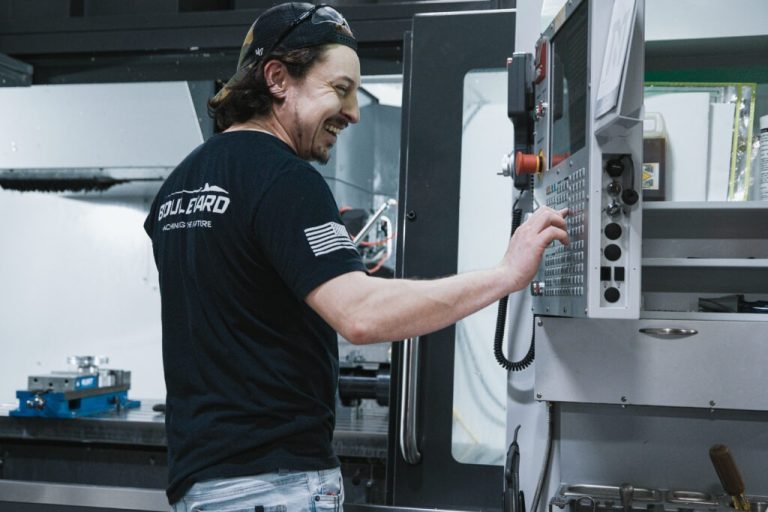
In today’s fast-moving business environment, organizations rely heavily on technology and physical assets to maintain smooth operations. Effective Equipment Management ensures that all tools, machinery, and digital assets are properly tracked, maintained, and optimized for maximum productivity. With the help of modern software solutions, businesses can reduce downtime, improve efficiency, and extend the lifespan of their equipment. Smart management systems have become essential for companies looking to streamline operations and reduce unnecessary costs.
Why Is Equipment Management Important for Businesses?
Every business depends on equipment, whether it is manufacturing machines, IT hardware, or office tools. Without proper management, equipment can become inefficient, break down frequently, or go unused. This leads to increased costs and operational delays. Equipment management helps organizations maintain control over their assets by tracking usage, scheduling maintenance, and ensuring proper allocation. This improves productivity while reducing unexpected breakdowns and repair expenses.
How Does Equipment Management Software Work?
Modern equipment management software uses digital tracking systems to monitor the condition, location, and performance of assets. Each piece of equipment is recorded in a centralized system, making it easy to access important information. The software can send alerts for maintenance schedules, track usage history, and generate performance reports. Some advanced systems also use IoT integration to provide real-time monitoring. This allows businesses to make data-driven decisions and optimize equipment usage effectively.
What Are the Key Benefits of Smart Equipment Management?
Smart equipment management offers several advantages for businesses of all sizes. It improves operational efficiency by ensuring that equipment is always in good working condition. It also reduces downtime by identifying issues before they lead to failures. Cost savings are another major benefit, as regular maintenance prevents expensive repairs and replacements. Additionally, better tracking of assets helps prevent loss, misuse, or misplacement of equipment. Overall, it enhances productivity and supports long-term business growth.
How Does It Improve Maintenance and Productivity?
Scheduled maintenance is a critical part of equipment management. Software solutions help automate maintenance schedules based on usage or time intervals. This ensures that equipment is serviced regularly and remains in optimal condition. Well-maintained equipment performs better and lasts longer, reducing the need for frequent replacements. By minimizing breakdowns and improving reliability, businesses can maintain steady productivity without interruptions.
What Features Should Equipment Management Systems Have?
A good equipment management system should include asset tracking, maintenance scheduling, reporting tools, and user-friendly dashboards. Integration with mobile devices and cloud storage allows easy access from anywhere. Real-time alerts and notifications help teams respond quickly to maintenance needs. Advanced analytics features provide insights into equipment performance and usage trends. These features work together to help businesses make informed decisions and improve efficiency.
Why Is Digital Transformation Important in Equipment Management?
Digital transformation has revolutionized the way businesses manage their assets. Traditional manual tracking methods are often inefficient and prone to errors. Digital systems offer accuracy, automation, and real-time visibility. This allows businesses to stay competitive in a fast-changing market. By adopting smart equipment management solutions, companies can improve operational control, reduce costs, and ensure better utilization of resources.
About the Author