Equipment Management: Smarter Systems for Efficiency, Control, and Long-Term Asset Performance

Effective equipment management has become a core requirement for modern organizations aiming to improve productivity, reduce operational losses, and maintain full control over valuable assets. As industries grow more complex, managing tools, machinery, and resources in an organized way is no longer optional—it is a strategic necessity that directly impacts performance and cost efficiency.
This approach to equipment oversight is increasingly data-driven, structured, and built around visibility, accountability, and lifecycle tracking. Below is a clear, question-based breakdown of how equipment management systems are reshaping operations in a more intelligent and scalable way.
Why is equipment management important for modern operations?
Equipment management plays a central role in ensuring that all physical assets are tracked, maintained, and utilized efficiently. Without a structured system, organizations often face challenges such as misplaced tools, unexpected breakdowns, and unnecessary replacement costs.
A well-organized system ensures that every asset has a defined lifecycle—from acquisition and usage to maintenance and retirement. This structured flow helps reduce downtime and improves the overall reliability of operations. Businesses that implement proper management practices often experience better resource allocation and higher operational consistency.
How does equipment tracking improve efficiency?
Tracking equipment allows organizations to know exactly where each asset is, who is using it, and how frequently it is being utilized. This level of visibility reduces confusion and eliminates time wasted searching for tools or machinery.
Real-time tracking also supports better planning. When usage patterns are clear, organizations can allocate equipment more effectively and prevent overuse or underuse. This leads to improved productivity and more balanced workload distribution across teams.
What role does maintenance play in equipment management systems?
Maintenance is a critical component that directly affects equipment lifespan and performance. A structured system ensures that maintenance schedules are planned rather than reactive.
Preventive maintenance helps identify potential issues before they turn into costly failures. This reduces downtime and extends the usability of assets. Organizations that prioritize maintenance scheduling often report fewer unexpected breakdowns and more stable operations overall.
How does equipment management reduce operational costs?
Cost reduction is one of the most significant benefits of efficient equipment management. When assets are properly tracked and maintained, organizations avoid unnecessary purchases and emergency repairs.
Better visibility also reduces losses caused by misplacement or theft. In addition, predictive maintenance strategies help prevent expensive emergency fixes by addressing issues early. Over time, these improvements lead to a noticeable reduction in overall operational spending.
Can equipment management improve accountability within teams?
Yes, accountability improves significantly when equipment usage is tracked and documented. When individuals or departments are assigned responsibility for specific assets, there is greater care in handling and usage.
This structured responsibility reduces misuse and encourages more disciplined operational behavior. It also creates a transparent environment where equipment usage can be reviewed and optimized based on actual data.
How does digitalization enhance equipment management?
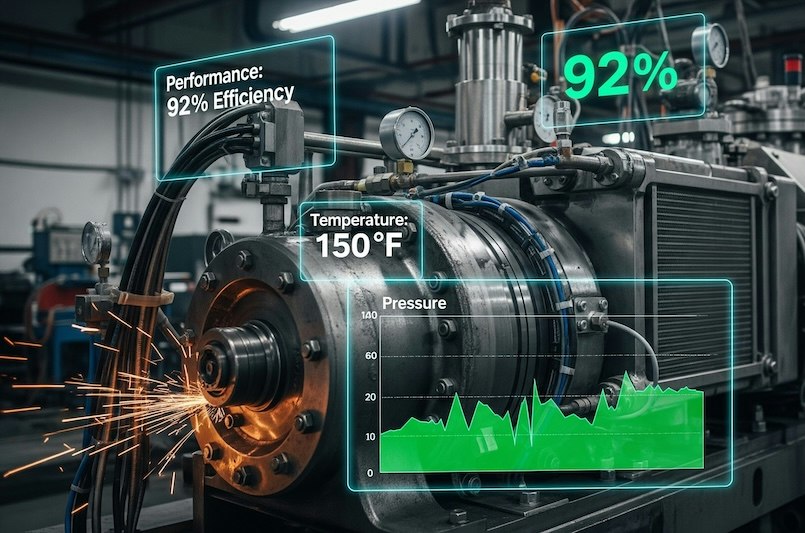
Digital systems have transformed traditional equipment management into a more intelligent and automated process. Instead of manual logs and spreadsheets, digital platforms provide centralized dashboards that display real-time data.
This allows teams to access accurate information instantly, reducing delays and human errors. Automation also supports reminders for maintenance, usage logs, and asset updates, making the entire system more efficient and reliable.
What industries benefit most from equipment management systems?
Almost every industry that relies on physical assets benefits from structured equipment management. Construction, manufacturing, healthcare, logistics, and education sectors all require precise control over tools and machinery.
In these environments, even small inefficiencies can lead to significant delays or costs. A well-organized system ensures smoother operations and better coordination across departments.
How does equipment lifecycle management add long-term value?
Managing the full lifecycle of equipment ensures that assets are used optimally from start to finish. Instead of replacing equipment prematurely, organizations can extend usability through proper maintenance and monitoring.
Lifecycle management also helps in planning future investments more accurately. By analyzing performance data, businesses can decide when to upgrade or retire equipment in a cost-effective manner.
What makes a modern equipment management system effective?
An effective system combines visibility, automation, and simplicity. It should provide real-time insights, support maintenance scheduling, and allow easy tracking of assets across multiple locations.
The most successful systems are those that integrate seamlessly into daily operations without adding complexity. They improve decision-making while reducing manual workload.
Conclusion
Equipment management is no longer just about tracking physical assets—it is about creating a structured, intelligent ecosystem that improves efficiency, reduces costs, and enhances accountability. As organizations continue to scale, the need for reliable systems that offer visibility and control becomes even more important.
By adopting modern equipment management practices, businesses can ensure smoother operations, longer asset lifecycles, and more informed decision-making. This ultimately leads to stronger performance, better resource utilization, and sustainable operational growth.
About the Author