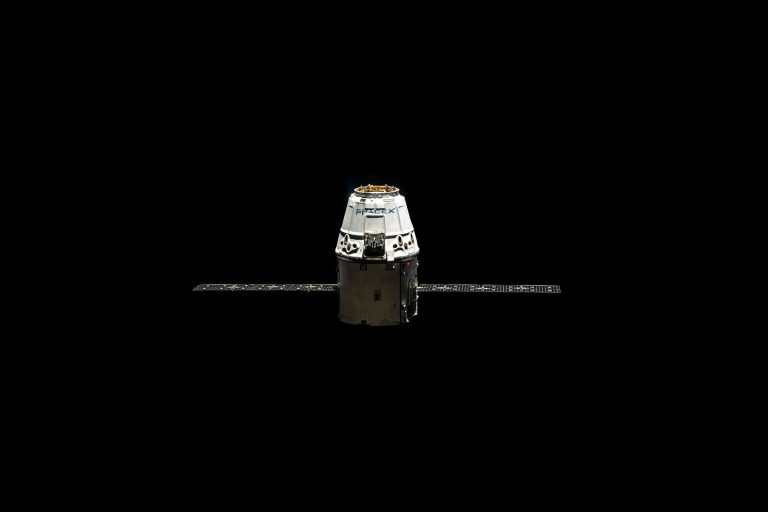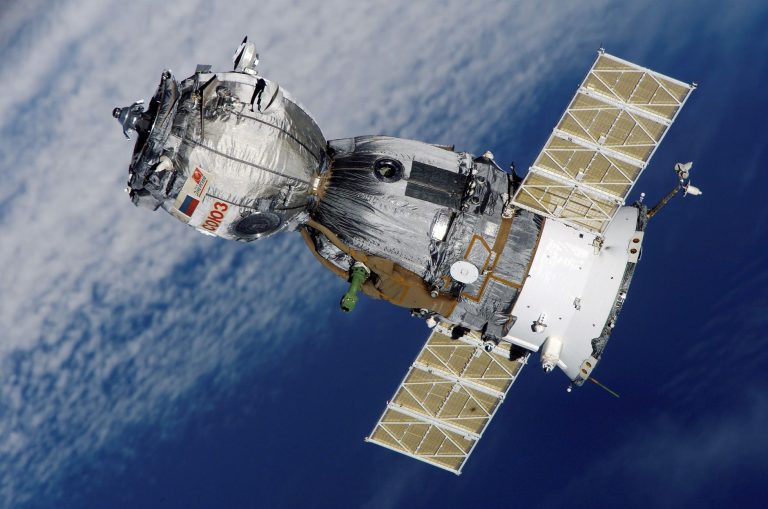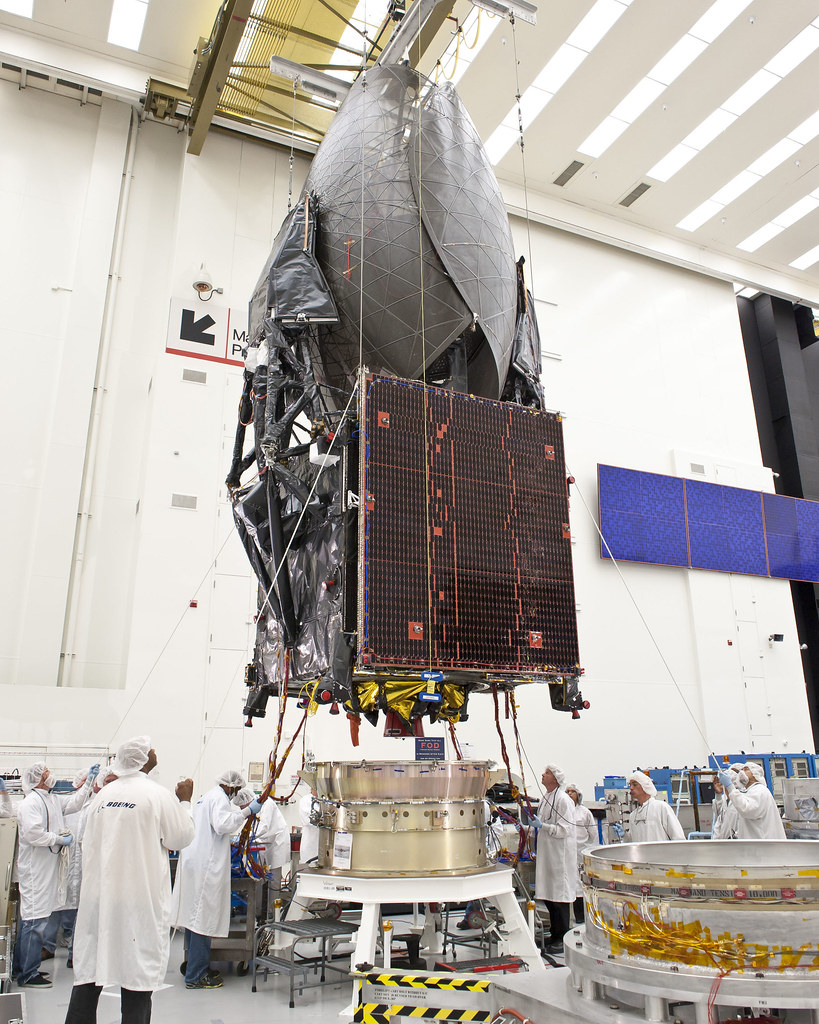
next-generation navigation satellite NVS-03 has been successfully launched by ISRO, showcasing India’s advancements in space technology.
Overview of ISRO’s NVS-03 Launch
The Indian Space Research Organisation (ISRO) achieved a significant milestone with the successful launch of its next-generation navigation satellite, NVS-03. This satellite is part of ISRO’s Navigation with Indian Constellation (NavIC) program, aimed at providing accurate positioning services to users in India and the surrounding region.
The NVS-03 satellite was launched aboard the GSLV-F12 rocket from the Satish Dhawan Space Centre on July 1. This mission marks a key advancement in India’s satellite navigation capabilities, enhancing the accuracy and reliability of the navigation system.
Key features of the NVS-03 include:
- Improved Accuracy: The satellite is designed to provide enhanced service with better precision over previous models.
- Advanced Technology: Equipped with cutting-edge technology, the NVS-03 supports various applications, including vehicular tracking and navigation.
- Extended Lifespan: This next-generation navigation satellite has an expected lifespan of over 12 years, ensuring long-term reliability.
With the successful deployment of NVS-03, ISRO continues to solidify its position as a leader in satellite navigation technology, paving the way for further advancements in this vital sector.
Significance of Navigation Satellites
The significance of navigation satellites cannot be overstated, as they play a crucial role in various sectors, including transportation, telecommunications, and emergency services. The successful launch of ISRO’s next-generation navigation satellite, NVS-03, emphasizes the importance of precise positioning systems in modern society.
Navigation satellites provide essential data that supports a range of applications, such as:
- Global Positioning: Enabling accurate location tracking for personal and commercial use.
- Aviation Safety: Assisting pilots with real-time navigation data for safer flights.
- Emergency Services: Facilitating search and rescue operations through precise location identification.
- Autonomous Vehicles: Supporting the development of self-driving technology by providing real-time navigation insights.
Moreover, next-generation navigation satellites are designed to offer improved accuracy and reliability, catering to the growing demands of various industries. With advancements in technology, these satellites are equipped with enhanced signals and capabilities that ensure better performance in challenging environments.
As countries strive for technological advancement, ISRO’s successful deployment of NVS-03 marks a significant step towards establishing a robust navigation infrastructure, solidifying India’s position in the global space landscape.
Technological Innovations in NVS-03
The next-generation navigation satellite, NVS-03, represents a significant leap forward in satellite technology, showcasing a range of technological innovations designed to enhance navigation capabilities. This satellite is equipped with advanced features that improve accuracy and reliability in global positioning systems.
One of the key innovations in NVS-03 is its enhanced atomic clock technology. This feature allows for more precise timekeeping, which is essential for accurate positioning. The satellite utilizes rubidium atomic clocks that provide improved stability and performance compared to previous models.
Moreover, NVS-03 incorporates multi-frequency signals, enabling it to communicate with a broader range of devices. This capability is vital for ensuring that users can access navigation services even in challenging environments, such as urban canyons or densely forested areas.
Additionally, the satellite’s design includes a robust solar panel system that increases energy efficiency and extends operational lifespan. This innovation not only enhances the satellite’s performance but also contributes to sustainability in space operations.
These technological advancements make NVS-03 a pivotal component of ISRO’s navigation satellite program, poised to support various applications, from civilian uses to defense operations, solidifying India’s position in the arena of next-generation navigation systems.
Future Implications for Space Navigation
The successful launch of the next-generation navigation satellite NVS-03 by ISRO marks a pivotal moment in the evolution of space navigation technology. This advancement promises to enhance the accuracy and reliability of navigation services across various sectors, from aviation to disaster management.
As countries increasingly rely on satellite technology for their infrastructure and safety, the implications of this launch are profound:
- Improved Accuracy: The NVS-03 is designed to provide precise positioning data, crucial for applications such as autonomous vehicles and drone operations.
- Enhanced Resilience: With additional satellites in the navigation constellation, the system can better withstand outages and disruptions, ensuring continuous service.
- Global Accessibility: The advancements in satellite technology will facilitate enhanced navigation support for remote and underserved regions, bridging the digital divide.
- Economic Growth: Enhanced navigation capabilities are expected to spur innovation and growth in sectors reliant on location-based services, contributing to economic development.
In conclusion, the launch of the NVS-03 not only signifies ISRO’s commitment to advancing space technology but also sets the stage for a future where next-generation navigation satellites reshape how we interact with our world.
ISRO’s Ongoing Space Missions
The Indian Space Research Organisation (ISRO) continues to enhance its capabilities through a series of ongoing space missions aimed at pushing the boundaries of technology and exploration. One of the most notable projects is the development of the next-generation navigation satellite system, which includes the recently launched NVS-03.
These missions are critical for India’s aspirations in both national and global arenas. The current focus includes:
- Advancement in Satellite Technology: ISRO is dedicated to refining the technology involved in navigation satellites, ensuring that they meet international standards.
- International Collaborations: Partnerships with other space agencies and institutions are fostering advancements in satellite design and launch capabilities.
- Research and Development: Ongoing R&D efforts are aimed at exploring innovative solutions for improved accuracy and reliability in satellite navigation.
- Commercial Applications: The potential for commercial applications of next-generation navigation satellites opens up opportunities in sectors such as transportation, agriculture, and disaster management.
Through these missions, ISRO not only strengthens India’s position in the global space community but also ensures that the nation is equipped with cutting-edge technology for future challenges in navigation and beyond.
The successful launch of the next-generation navigation satellite marks a significant milestone for ISRO. With this advancement, the next-generation navigation satellite is set to enhance positioning accuracy across various applications.
By NASA Goddard Photo and Video via Openverse
Where this came from
Related stories
- ISRO GSLV-F18 launch: A Proven Step for NavIC Strengthening
- Samsung Galaxy Z Fold 8 Ultra: The Best Proven Luxury Phone
- Noise Buds R1: The Best New Earbuds with Gaana Plus
About the Author