PC gaming ray tracing has revolutionized how gamers experience graphics. Since the launch of the RTX 20 graphics cards in 2018, the technology has set new standards for visual fidelity in games.
The Rise of Ray Tracing in Gaming
The fascination with PC gaming ray tracing started to gain traction in 2018 with the launch of NVIDIA’s RTX 20 series graphics cards. The introduction of the GeForce RTX 2080 and 2080 Ti marked a significant turning point in the industry, showcasing the potential of real-time ray tracing technology. Although there were limited titles available at the time to fully exploit these advancements, the promise of enhanced graphics captured the attention of gamers and developers alike.
As the years progressed, the gaming landscape began to shift dramatically. More titles began to integrate ray tracing, allowing players to experience richer visuals with lifelike lighting, shadows, and reflections. This technology not only improved the aesthetic quality of games but also set a new benchmark for performance and visual fidelity.
Key moments in the rise of ray tracing include:
- The release of major titles such as Cyberpunk 2077 and Control, which utilized ray tracing features to elevate gameplay.
- Continuous advancements in hardware that made ray tracing more accessible to a broader audience.
- Growing support from game developers eager to push the boundaries of visual graphics.
The combination of innovative technology and compelling game design has solidified ray tracing’s place in the future of PC gaming.
Understanding RTX 20 Graphics Cards
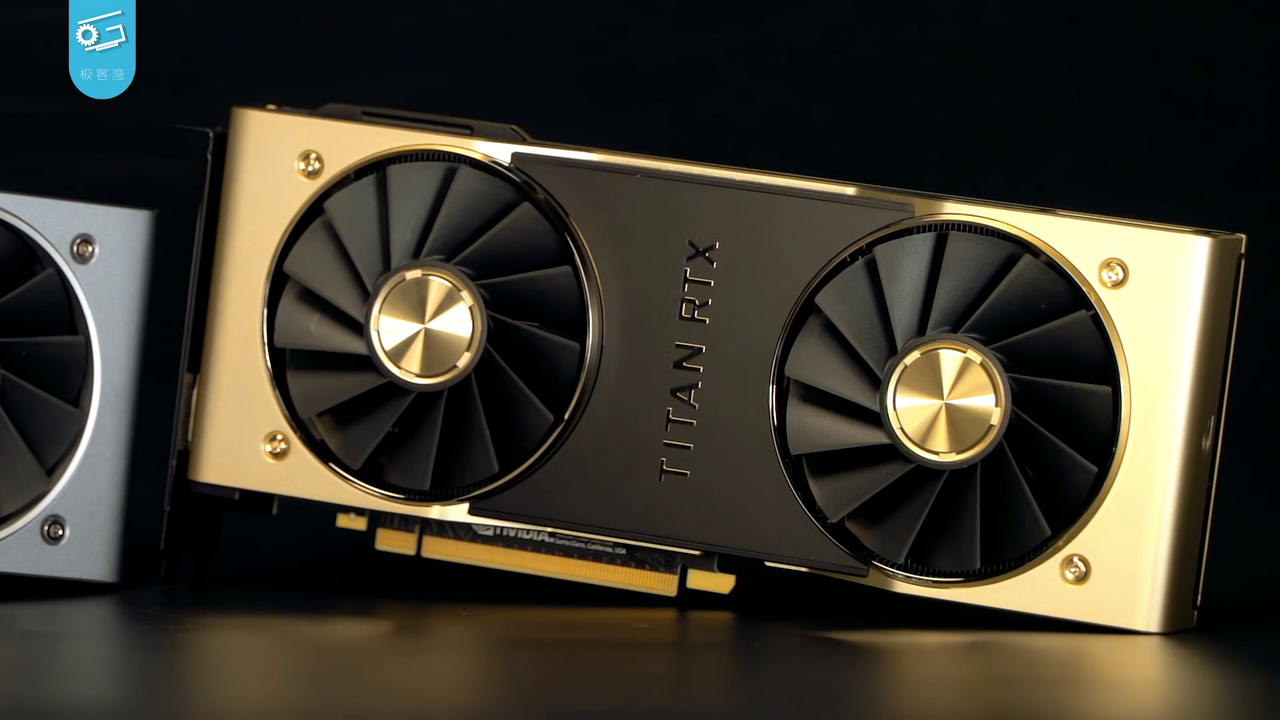
When the first RTX 20 graphics cards were launched in 2018, they marked a significant turning point in the world of PC gaming. The GeForce RTX 2080 and 2080 Ti were pioneers, introducing gamers to the concept of real-time ray tracing, a technology that would redefine graphics quality and gaming experiences.
The RTX 20 series was built on NVIDIA’s Turing architecture, which enabled these graphics cards to handle the complex calculations required for ray tracing. This technology allows for more realistic lighting, shadows, and reflections in games, creating a visual experience that was previously unattainable.
Despite their groundbreaking capabilities, the initial offering of ray tracing-compatible games was limited. However, as developers began to embrace this new technology, the demand for PC gaming ray tracing surged. The following list highlights some key features of the RTX 20 series:
- Real-Time Ray Tracing: Dynamic lighting and shadows that enhance realism.
- DLSS Technology: Boosts frame rates while maintaining high-quality visuals.
- Improved Performance: Optimized for demanding gaming environments.
As the industry continues to evolve, the RTX 20 series remains a cornerstone of modern PC gaming, paving the way for future innovations.
Impact of Ray Tracing on Game Development
The introduction of ray tracing technology in PC gaming has profoundly influenced game development, setting new standards for visual fidelity and realism. Developers now have the ability to create immersive environments that respond more realistically to lighting and shadows, enhancing the overall gaming experience.
One of the significant impacts of ray tracing on game development includes:
- Enhanced Visual Realism: Ray tracing allows for more accurate reflections, refractions, and shadows, making scenes look lifelike.
- Dynamic Lighting Effects: With ray tracing, developers can implement dynamic lighting that changes in real-time, reacting to in-game events.
- Improved Workflow: Game designers can utilize ray tracing tools to prototype and test lighting setups more efficiently than traditional methods.
- Increased Player Immersion: The realistic visuals created through ray tracing help players feel more immersed in the game world.
As the technology evolves, many developers are now prioritizing ray tracing in their projects, ensuring that upcoming titles can fully leverage the capabilities of modern graphics hardware. This shift signifies a commitment to pushing the boundaries of what is possible in PC gaming, making ray tracing a cornerstone of future game design.
Future of PC Gaming Graphics
The future of PC gaming graphics looks promising, especially with the continued evolution of ray tracing technology. As developers become more adept at leveraging the capabilities of PC gaming ray tracing, players can expect increasingly immersive experiences, characterized by stunning visual fidelity and realism.
Several trends are emerging as we look ahead:
- Wider Game Adoption: More titles are incorporating ray tracing features, moving beyond the initial showcase games. Major franchises are beginning to integrate this technology, making it a standard in upcoming releases.
- Hardware Innovations: With each new generation of graphics cards, performance improvements are expected. Upcoming NVIDIA and AMD graphics cards promise enhanced ray tracing capabilities, enabling smoother gameplay and higher frame rates.
- Optimized Performance: Developers are working on optimization techniques that allow ray tracing to run efficiently even on mid-range hardware, ensuring that a wider audience can experience this cutting-edge technology.
- Cross-Platform Integration: Ray tracing is also making its way to consoles, which could lead to more uniform visual quality across platforms, enhancing multiplayer experiences.
Overall, the integration of ray tracing into PC gaming is poised to redefine visual standards and player expectations in the years to come.
Comparing RTX 2080 and 2080 Ti
When examining the evolution of PC gaming ray tracing, two graphics cards stand out: the GeForce RTX 2080 and the RTX 2080 Ti. Although both cards were launched in 2018, their performance and features cater to different types of gamers.
The RTX 2080 serves as an excellent entry point into the world of ray tracing. It offers impressive performance for 1440p gaming, making it suitable for gamers who want to experience enhanced graphics without breaking the bank. With 8GB of GDDR6 memory, it can handle most modern titles while delivering decent ray tracing effects.
In contrast, the RTX 2080 Ti is designed for those who demand the best. Equipped with 11GB of GDDR6 memory, it excels in 4K gaming and provides a remarkable ray tracing experience. The additional cores and higher memory bandwidth ensure that even the most graphically demanding games run smoothly, allowing players to fully immerse themselves in the stunning visuals.
Both cards brought ray tracing to the forefront of PC gaming technology, but the choice between them ultimately depends on individual needs and budget. Gamers seeking top-tier performance may find the RTX 2080 Ti worth the investment, while the RTX 2080 remains a solid option for more casual players.
PC gaming ray tracing has revolutionized the way gamers experience visuals, offering unparalleled realism in lighting and shadows. As developers continue to optimize their engines, the impact of PC gaming ray tracing will only grow, enhancing immersion in virtual worlds.
via Wikimedia Commons
Sources
You might also like
- Understanding DBD Codes, Redemption Rules, and Reward Availability
- OnePlus 16 Refresh Rate: Best Proven Features to Expect
- Maxi Doge presale: Best Proven Investment Opportunity
About the Author