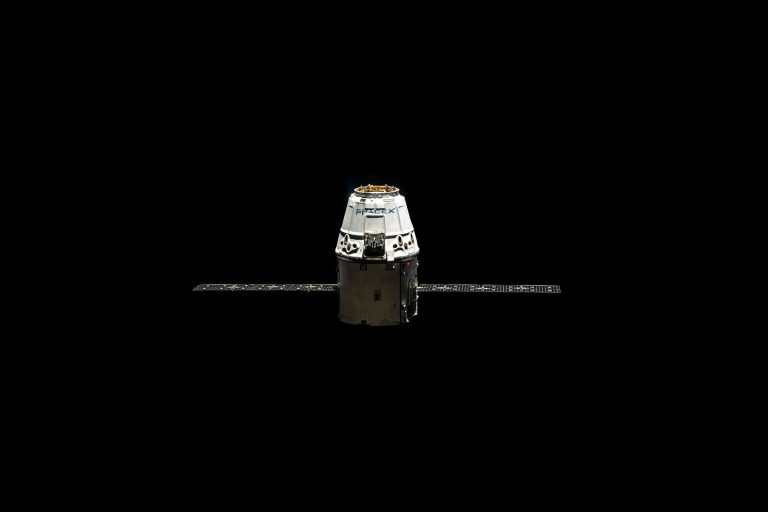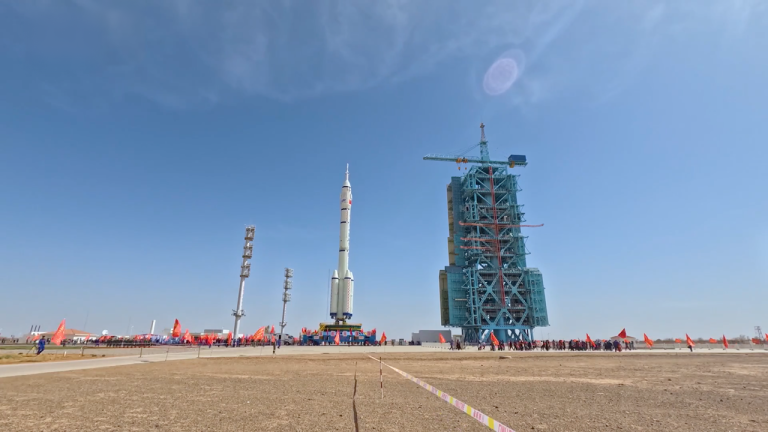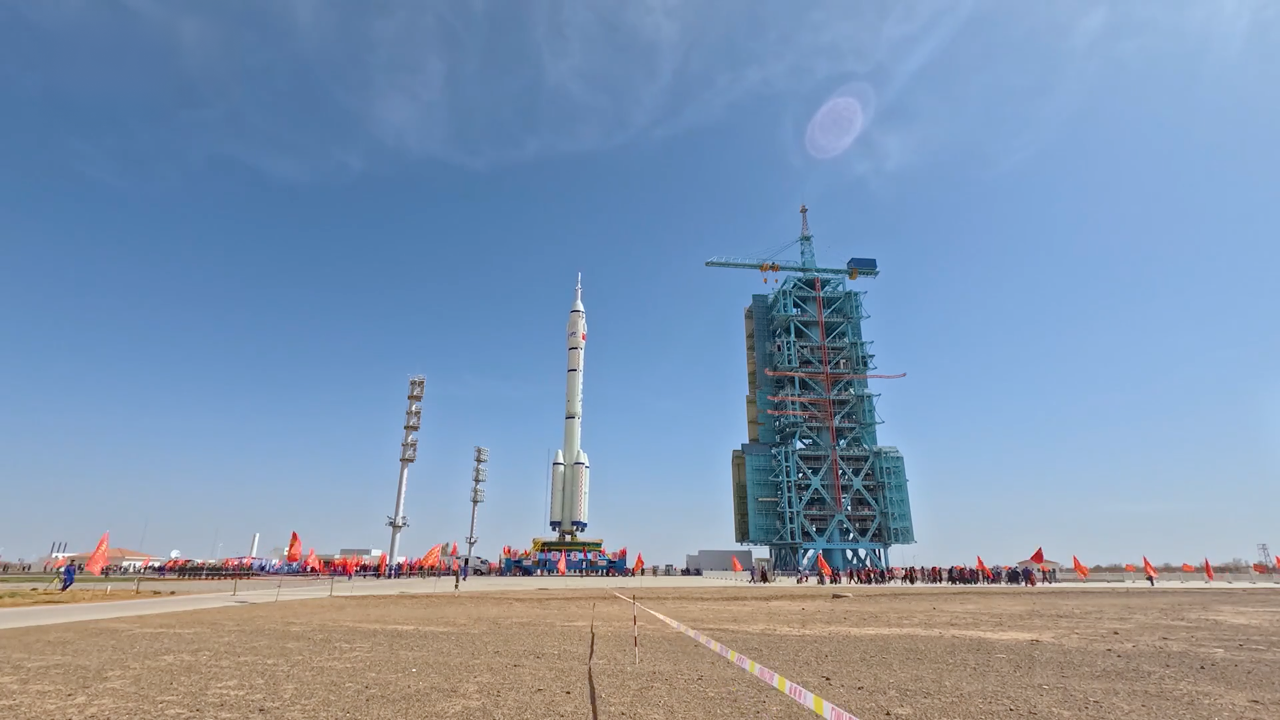
Shenzhou-24 mission has garnered global attention as Shehbaz congratulates China on this remarkable achievement in space exploration.
Overview of the Shenzhou-24 Mission
The Shenzhou-24 mission marks a significant milestone in China’s ongoing efforts to advance its space exploration capabilities. Launched successfully, this mission is designed to further enhance China’s presence in low Earth orbit and contribute to its long-term objectives in space.
During the mission, a crew of skilled astronauts conducted various scientific experiments, demonstrating China’s commitment to not only manned spaceflight but also to international collaboration in research and technology.
Key highlights of the Shenzhou-24 mission include:
- Successful Launch: The spacecraft was launched from the Jiuquan Satellite Launch Center, showcasing China’s growing technological prowess.
- Scientific Research: Astronauts performed groundbreaking experiments that could lead to advancements in various scientific fields.
- International Collaboration: The mission involved partnerships with other nations, promoting a spirit of cooperation in space exploration.
Overall, the Shenzhou-24 mission is a testament to China’s determination to achieve its ambitious space goals.
Shehbaz’s Reaction to China’s Achievement
Shehbaz Sharif, the Prime Minister of Pakistan, expressed his heartfelt congratulations to China following the successful launch of the Shenzhou-24 mission. In a statement released shortly after the mission’s completion, he highlighted the importance of this achievement in advancing China’s space exploration efforts.
Sharif emphasized that the Shenzhou-24 mission not only marks a significant milestone for China but also showcases the country’s growing capabilities in the field of space technology. He noted, “This success reinforces our belief in China’s commitment to innovation and exploration.” The Prime Minister also pointed out the collaborative potential between Pakistan and China in scientific endeavors.
Additionally, he praised the mission’s role in inspiring future generations of scientists and engineers. “Such achievements pave the way for enhanced cooperation in space research and technology,” Sharif stated, reflecting on the strong ties between the two nations in various sectors.
Importance of International Collaboration in Space
The success of the Shenzhou-24 mission underscores the significance of international collaboration in advancing space exploration. As nations strive to push the boundaries of what is possible beyond Earth, working together can enhance technological advancements and increase the safety of space endeavors.
International partnerships can lead to:
- Shared Resources: By pooling resources, countries can develop more sophisticated technology and infrastructure.
- Knowledge Exchange: Collaborating allows nations to learn from each other’s experiences and expertise, fostering innovation.
- Joint Missions: Combining efforts for missions can lead to shared successes and reduce costs significantly.
Furthermore, as global challenges such as climate change and planetary defense arise, a cooperative approach in space exploration becomes even more crucial. The achievements of the Shenzhou-24 mission serve as a reminder of the potential that lies in unity and collaboration across borders.
Future Goals for China’s Space Program
The successful Shenzhou-24 mission marks a significant milestone in China’s ambitious space program, but it also sets the stage for future endeavors. China aims to expand its presence in space through a series of planned missions that will enhance its capabilities and foster international collaboration.
Among the primary targets for China’s future space initiatives are:
- Building a Permanent Space Station: China intends to establish a fully operational space station by the mid-2020s, which will facilitate long-term human presence in orbit.
- Moon Exploration: Upcoming lunar missions aim to gather more data and potentially pave the way for crewed missions to the Moon.
- Mars Research: China plans to conduct further explorations of Mars, focusing on understanding the planet’s geology and potential for past life.
These objectives reflect China’s commitment to becoming a leading player in space exploration, with the Shenzhou-24 mission serving as a foundational achievement for future projects.
Technological Innovations in Shenzhou-24
The Shenzhou-24 mission has showcased several technological innovations that underline China’s advancing capabilities in space exploration. This mission not only highlights China’s commitment to expanding its presence in space but also demonstrates significant improvements in various technologies.
Among the key innovations are:
- Advanced Life Support Systems: Enhanced systems for sustaining life aboard the spacecraft during extended missions.
- New Propulsion Technologies: Improved propulsion systems that increase efficiency and reduce travel time to the space station.
- Robust Communication Equipment: Upgraded communication tools that ensure seamless interaction between the crew and mission control.
- Automated Docking Systems: Innovations that enable precise docking procedures with minimal human intervention.
These advancements reflect China’s ongoing investment in research and development, positioning the Shenzhou-24 mission as a critical step toward achieving its broader space goals.
Global Impact of China’s Space Missions
The Shenzhou-24 mission has not only marked a significant milestone for China but has also reverberated across the globe, highlighting the country’s growing influence in space exploration. As nations increasingly recognize the importance of space technology, China’s advancements serve as a catalyst for international dialogue and collaboration.
Countries around the world are observing China’s achievements with keen interest, including:
- Scientific Research: The mission’s success opens new avenues for scientific research, encouraging global partnerships in space studies.
- Technological Exchange: China’s innovations in spacecraft design and operation are prompting discussions on potential technology exchanges.
- Strategic Alliances: The Shenzhou-24 mission may lead to new strategic alliances, as countries seek to join forces in understanding and utilizing space resources.
Ultimately, the Shenzhou-24 mission exemplifies how national achievements in space can foster global cooperation and inspire future generations to explore beyond our planet.
Comparing Shenzhou-24 with Previous Missions
The Shenzhou-24 mission has set a new benchmark in China’s space exploration efforts, drawing comparisons with its predecessors. Unlike earlier missions, which primarily focused on orbital experiments and crewed flights, Shenzhou-24 showcased enhanced capabilities and technological advancements.
Key differences include:
- Duration: Shenzhou-24 featured extended mission duration, allowing for more comprehensive scientific research.
- Payload Capacity: The mission carried a larger payload, facilitating more complex experiments and equipment.
- International Collaboration: This mission marks a significant increase in partnerships, reflecting a shift towards greater global cooperation in space.
While previous missions laid the groundwork for human spaceflight, Shenzhou-24 represents a leap forward, integrating lessons learned and innovations from past experiences. Its success not only highlights China’s growing capabilities but also reinforces the nation’s commitment to ambitious future goals in space exploration.
Public Reception and Support for Space Exploration
The successful launch of the Shenzhou-24 mission has garnered widespread public support and enthusiasm for space exploration in China. Citizens have taken to social media platforms to express their pride and awe, celebrating the achievements of their nation’s space program.
Many see this mission as a testament to China’s growing capabilities in space technology and its commitment to pushing the boundaries of exploration. Community events celebrating the launch have sprung up across the country, highlighting the importance of space science and education.
- Public forums discussing the implications of the mission have seen increased attendance.
- Schools are incorporating space-themed projects into their curricula to inspire future generations.
- Local organizations are hosting workshops focusing on STEM education, encouraging youth to consider careers in aerospace.
As public interest continues to rise, many believe that initiatives like the Shenzhou-24 mission will pave the way for greater investment in space research and exploration.
By 中国新闻社 via Openverse
Where this came from
Related stories
- AI-Powered Guide for SMBs: Proven Ways to Drive Growth
- Best Online Dispensary Canada – How to Recognize Legally Authorized Cannabis Retailers in Canada
- Schedule WhatsApp Messages: Is This the Best New Feature?
About the Author