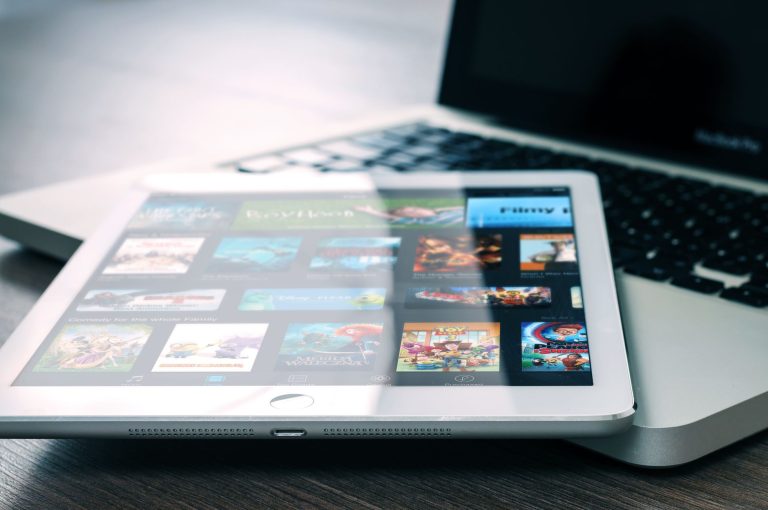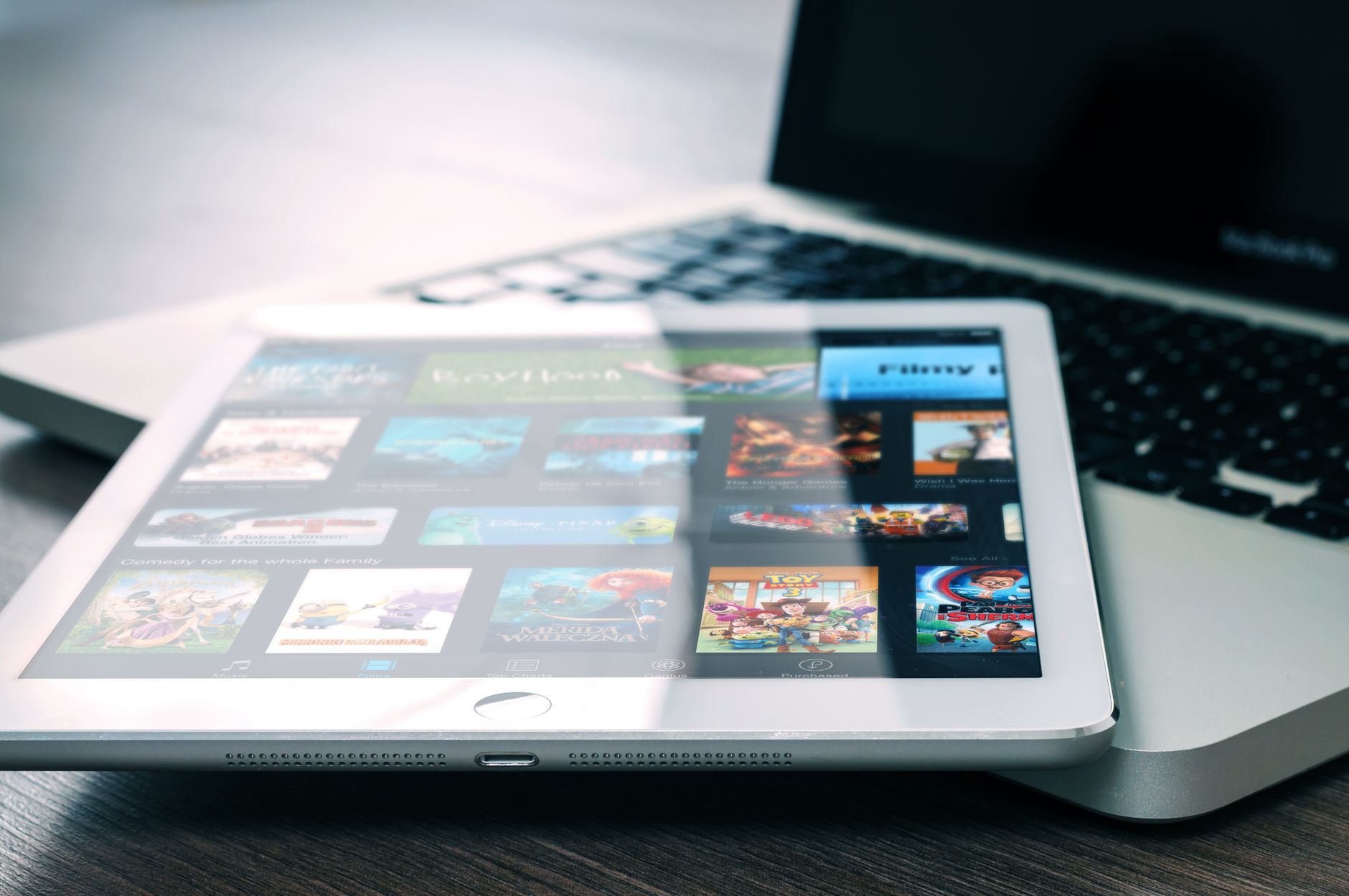
Television viewing has changed considerably as internet-based services have become more accessible. Instead of relying exclusively on traditional broadcast signals or fixed television schedules, viewers can use internet connections to access live channels and on-demand entertainment across compatible devices. Sweden IPTV (Sverige IPTV) is part of this shift towards flexible digital viewing, offering an approach that combines television content with internet delivery. Understanding how the technology works and which devices support it can help viewers make informed decisions about their entertainment setup.
Understanding How IPTV Works
Internet Protocol Television, commonly known as IPTV, delivers television content through internet networks rather than conventional terrestrial, satellite, or cable broadcasting methods. Content is transmitted as digital data and displayed through compatible applications, receivers, or built-in television software.
Depending on the service, viewers may have access to live television, recorded programmes, or video-on-demand libraries. These features can provide greater flexibility because users are not always limited to watching programmes at their original broadcast times.
A stable internet connection is essential for consistent performance. Streaming quality depends on factors such as available bandwidth, network congestion, device capabilities, and the provider’s infrastructure.
Compatible Devices for IPTV Viewing
One advantage of internet-based television is its potential compatibility with different types of devices. However, support varies according to the service, application, operating system, and subscription conditions.
Common device categories include:
Smart TVs: Some modern televisions support compatible IPTV applications directly, allowing viewers to stream without an additional receiver.
Streaming devices: Dedicated media players can provide access to supported applications on televisions that lack built-in compatibility.
Smartphones and tablets: Mobile devices allow users to watch supported content through applications or web-based interfaces.
Computers and laptops: Compatible software or browser-based services may make desktop viewing possible.
IPTV receivers: Certain dedicated receivers are designed to decode and display internet-delivered television streams.
Before selecting a service, viewers should confirm that their preferred devices and operating systems are supported.
Internet Speed and Streaming Quality
Internet performance has a direct influence on the viewing experience. High-definition and ultra-high-definition streams generally require more bandwidth than standard-definition content.
A reliable broadband connection can reduce buffering and interruptions. Wired Ethernet connections may offer greater stability for stationary televisions, while modern Wi-Fi networks provide convenient installation without additional cables.
Households should also consider how many devices use the connection simultaneously. Video calls, online gaming, downloads, and other streaming activities can compete for available bandwidth.
Testing connection performance at different times can help identify whether network congestion is affecting playback.
Features That Support Flexible Viewing
Depending on the service, IPTV platforms may offer electronic programme guides, channel categories, search functions, subtitles, language options, and on-demand libraries.
An electronic programme guide helps viewers understand what is currently available and what is scheduled next. Search and category tools can make larger content libraries easier to navigate.
Some services also provide playback controls or catch-up options. Availability varies, so viewers should review the actual features included rather than assume every platform offers identical functionality.
Security and Legal Considerations in Sweden
Choosing a legitimate television service is important. Viewers should review licensing information, subscription conditions, privacy policies, and payment arrangements before registering.
A trustworthy service should explain its content rights and provide clear information about how personal data is handled. Consumers should avoid unfamiliar applications or devices that request unnecessary permissions or sensitive account details.
Using updated software, strong passwords, and secure home network settings can also improve digital safety.
Choosing a Suitable IPTV Setup
Selecting an IPTV arrangement involves balancing device compatibility, internet performance, content availability, and ease of use. A service that works smoothly on a television may have different requirements for mobile devices or computers.
By understanding streaming technology and checking compatibility before subscribing, viewers in Sweden can build a more practical home entertainment setup. Reliable connectivity, supported hardware, and legitimate content access remain central to a consistent viewing experience.
Key Points
- Television viewing has evolved with the rise of internet-based services that allow access to live channels and on-demand content across various devices.
- Internet Protocol Television (IPTV) delivers television content via internet networks instead of traditional broadcasting methods, enabling features like live TV and video-on-demand libraries.
- The streaming quality of IPTV is affected by factors such as bandwidth availability, network congestion, device capabilities, and the provider’s infrastructure.
- Various compatible devices for IPTV viewing include Smart TVs, streaming devices, smartphones, tablets, computers, and dedicated IPTV receivers.
- IPTV platforms may offer features like electronic programme guides, search functions, and on-demand libraries, but these features can vary by service.
- Consumers in Sweden should choose legitimate IPTV services by reviewing licensing information, subscription conditions, and privacy policies to enhance security and compliance.
About the Author