In advanced industrial environments where precision, speed, and reliability are essential, the role of Urethane Dispensing Equipment has become increasingly important for achieving high-performance manufacturing outcomes. These systems are specifically engineered to handle demanding production conditions where polyurethane materials must be mixed, measured, and applied with extreme accuracy. From automotive engineering to aerospace components and electronics protection, high-performance dispensing systems ensure consistent quality and long-term durability in every application.
What is Urethane Dispensing Equipment?
What exactly defines urethane dispensing equipment in high-performance industrial applications? It is a specialized system designed to control the accurate mixing and application of polyurethane-based materials. These machines manage multiple chemical components that must be combined in precise ratios before being dispensed onto a production surface.
Polyurethane materials are widely used due to their strength, flexibility, and resistance properties. However, they require exact handling conditions to perform correctly. Even small inconsistencies in ratio, temperature, or pressure can significantly affect the final product. Dispensing equipment eliminates these risks through automation and precision control systems.
Why High-Performance Applications Require Precision?
Why is precision so important in high-performance manufacturing environments? Industries such as aerospace, automotive engineering, and electronics demand extremely high levels of reliability and consistency.
In these sectors, even minor defects can lead to performance failure or safety risks. For example, improper bonding in automotive seals or uneven insulation in aerospace components can compromise entire systems. Urethane dispensing equipment ensures that every application meets strict quality standards by maintaining consistent chemical ratios and application accuracy.
This level of precision not only enhances product reliability but also reduces material waste and production inefficiencies.
How Does Urethane Dispensing Equipment Work?
How do these systems achieve such high levels of performance? The process begins with the storage of raw polyurethane components in separate controlled tanks. These materials are then delivered through precision pumps that regulate flow rates.
The components are mixed in a controlled chamber where pressure, temperature, and ratio are carefully monitored. Once the mixture is prepared, it is dispensed through a specialized application head onto molds, surfaces, or assembly lines.
Advanced sensors continuously track system performance, ensuring real-time adjustments whenever necessary. This automated process eliminates human error and guarantees consistent output across large production cycles.
Key Engineering Features of High-Performance Systems?
What makes urethane dispensing systems suitable for high-performance applications? Several engineered features contribute to their reliability and accuracy.
High-precision metering pumps ensure exact material flow control. Advanced mixing chambers provide uniform blending of chemical components under controlled pressure conditions. Thermal regulation systems maintain stable temperatures for optimal chemical reactions.
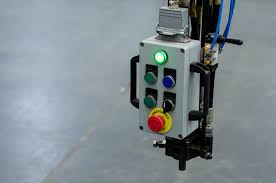
Integrated control systems allow operators to fine-tune parameters such as flow rate, mixing ratio, and dispensing speed. Real-time monitoring sensors provide continuous feedback, ensuring that the system operates within strict performance limits.
Each of these components is designed to work together seamlessly to deliver maximum efficiency and accuracy.
Where are High-Performance Dispensing Systems Used?
Where are these advanced systems most commonly applied? Urethane dispensing technology is used across a wide range of industries that require high-performance material processing.
In the automotive sector, these systems are used for structural bonding, sealing, vibration damping, and protective coatings. Aerospace manufacturers rely on them for lightweight structural components and insulation systems that must withstand extreme conditions.
The electronics industry uses urethane dispensing equipment for potting and encapsulation, protecting sensitive components from heat, moisture, and vibration. Construction industries apply polyurethane for insulation panels, waterproof coatings, and durable adhesives.
Even marine and defense applications depend on these systems for high-strength and environmentally resistant materials.
How Engineering Enhances Performance and Reliability?
How does engineering design improve system performance? Modern dispensing equipment is built using advanced engineering principles that focus on precision, durability, and efficiency.
Rigid machine structures reduce vibration and ensure stable operation during high-speed dispensing. Precision calibration systems maintain consistent material ratios across long production cycles. High-grade materials are used in pumps and mixing units to withstand chemical corrosion and wear.
Engineering also plays a critical role in optimizing energy usage and reducing system downtime. This ensures that the equipment can operate continuously under demanding industrial conditions without performance degradation.
Benefits of High-Performance Dispensing Systems?
What advantages do manufacturers gain from using engineered dispensing systems? One of the primary benefits is improved product quality. Consistent mixing and application ensure that every output meets strict performance standards.
Another key benefit is increased production efficiency. Automated systems reduce manual intervention, allowing continuous operation with minimal downtime. This significantly increases output rates.
Material efficiency is also improved. Accurate dispensing reduces waste and ensures optimal use of raw materials, lowering production costs over time.
Additionally, safety is enhanced by minimizing human exposure to reactive chemicals, creating a safer working environment.
Challenges in High-Performance Applications?
What challenges exist in high-performance urethane processing systems? Despite advanced engineering, certain challenges must be managed carefully.
Material sensitivity remains a key issue. Polyurethane components are highly reactive to environmental factors such as moisture and temperature, which can affect performance.
System calibration must be maintained regularly to ensure continued accuracy. Even small deviations in ratio control can impact product quality.
Maintenance is also critical. Mixing heads, pumps, and sensors require regular cleaning and inspection to prevent clogging or wear. Without proper maintenance, system performance can decline.
Technological Advancements in Dispensing Systems?
How is technology shaping the future of high-performance urethane dispensing equipment? Modern systems are increasingly integrated with digital technologies and smart automation.
Artificial intelligence is being used to optimize dispensing parameters in real time, improving accuracy and efficiency. Predictive maintenance systems can detect potential failures before they occur, reducing downtime and maintenance costs.
Advanced sensor technology provides continuous monitoring of pressure, flow rate, and temperature, ensuring optimal system performance. Energy-efficient designs are also becoming more common, reducing operational costs and environmental impact.
These innovations are transforming dispensing systems into intelligent manufacturing solutions.
How to Select Equipment for High-Performance Needs?
How can manufacturers choose the right system for demanding applications? The selection process depends on production requirements, material properties, and performance expectations.
High-volume production environments require fully automated systems with advanced control and monitoring capabilities. Precision-critical applications may require specialized mixing and dispensing heads.
It is also important to consider system durability, maintenance requirements, and compatibility with existing production lines. Long-term operational efficiency should be prioritized over initial cost.
Choosing the right system ensures consistent performance, reduced downtime, and improved product reliability.
Future of High-Performance Urethane Dispensing Technology?
What does the future hold for these engineered systems? The industry is moving toward fully integrated smart manufacturing environments where machines communicate and self-optimize in real time.
Future systems will rely heavily on AI-driven automation, predictive analytics, and cloud-based monitoring. This will allow manufacturers to achieve even higher levels of precision and efficiency.
Sustainability will also play a major role, with new designs focusing on reducing waste, energy consumption, and environmental impact.
As innovation continues, urethane dispensing equipment will become even more advanced, reliable, and essential for high-performance industrial applications.
Conclusion
In modern manufacturing, engineered precision is essential for achieving high-performance results. Urethane dispensing systems provide the accuracy, automation, and reliability required for critical industrial applications.
By combining advanced engineering, smart automation, and precision control, these systems ensure consistent quality and efficiency across multiple industries. As technology evolves, they will continue to play a vital role in supporting innovation, productivity, and high-performance manufacturing worldwide.
About the Author