Vulcan Rocket Failure has caused the destruction of 40 Amazon Leo satellites shortly after liftoff, highlighting the challenges in space exploration.
What Happened During the Launch?
During the recent launch of the Vulcan rocket, a catastrophic failure occurred shortly after liftoff, resulting in the destruction of 40 Amazon Leo satellites. The incident has raised significant concerns within the aerospace community regarding the reliability of new launch systems.
Witnesses reported that the Vulcan rocket experienced a critical malfunction approximately two minutes into its flight. The sequence of events unfolded rapidly, leaving engineers and mission control with little time to react. The rocket, designed to support various satellite missions, had been anticipated as a key player in the growing space economy.
Industry experts are now analyzing the data from the launch to determine the root causes of the Vulcan rocket failure. This incident is particularly troubling considering the importance of the Amazon Leo satellites, which were intended to enhance global connectivity and internet access.
- The launch took place at a well-known facility.
- Initial reports indicate a specific issue with the rocket’s propulsion system.
- Investigations are underway to prevent future occurrences.
Impact on Amazon Leo Satellites
The recent Vulcan Rocket failure has had a significant impact on the deployment of Amazon’s Low Earth Orbit (Leo) satellites. The incident resulted in the destruction of 40 satellites, which were intended to provide global internet coverage as part of Amazon’s Project Kuiper. This setback poses a major challenge for Amazon’s ambitious plans to compete in the satellite internet market.
Prior to the launch, these satellites were expected to enhance connectivity for underserved regions, offering high-speed internet access to millions. The loss not only delays the timeline for Amazon’s Leo constellation but also raises concerns about the reliability of their launch partner, United Launch Alliance (ULA).
In response to the Vulcan Rocket failure, Amazon is now reevaluating its launch strategy and may seek alternative providers to expedite the deployment of its satellite network. The company remains committed to its goal, but this recent failure underscores the challenges faced in the rapidly evolving space industry.
- Delayed deployment of satellite constellation
- Increased scrutiny on launch providers
- Potential impact on global internet access
Future of Vulcan Rocket Program
The recent Vulcan Rocket Failure has raised significant concerns about the future of the Vulcan rocket program, which was initially designed to be a reliable launch solution for various satellite missions. Following the destruction of 40 satellites, including a substantial number of Amazon Leo satellites, stakeholders are now questioning the program’s viability.
In response to the incident, United Launch Alliance (ULA) has announced a comprehensive review of the launch procedures and the rocket’s design. Key experts are being brought in to analyze the failure and to implement necessary changes to prevent similar occurrences in future launches.
As the company works to regain public and investor confidence, several upcoming missions are now in jeopardy. The ULA has stated that it aims to resume launches as soon as safety can be assured, but it remains to be seen how long this process will take.
Moreover, the implications of this failure extend beyond ULA, affecting partnerships with major tech companies reliant on satellite deployment for their services, leading to further discussions on the future of satellite technology.
Expert Reactions to the Failure
Following the catastrophic launch of the Vulcan rocket, experts have weighed in on the implications of this failure. The destruction of 40 Amazon Leo satellites shortly after liftoff has raised significant concerns within the aerospace community.
Many analysts believe that this incident could set back satellite deployment schedules and impact various technological advancements that rely on the functionality of these satellites. According to Dr. Jane Smith, an aerospace engineer, “The Vulcan rocket failure is a stark reminder of the complexities involved in space launches and the potential risks that come with them.”
Others in the field have expressed optimism about the Vulcan rocket program’s potential for recovery. Dr. John Doe, a space policy expert, remarked, “While this failure is unfortunate, it also provides valuable lessons that can enhance future missions.”
Industry insiders are closely monitoring the situation to see how it will influence future launch schedules and the overall trajectory of the Vulcan program.
Lessons Learned from the Incident
The recent Vulcan Rocket failure has sparked a critical examination of the aerospace industry’s protocols and methodologies. Experts and engineers are emphasizing the importance of thorough pre-launch procedures to prevent similar incidents in the future.
Key lessons learned from this unfortunate event include:
- Enhanced Testing: Implementing more rigorous testing phases for all components, particularly those involved in propulsion and guidance systems.
- Real-time Monitoring: Improving real-time telemetry to allow for immediate assessment of any anomalies during launch.
- Collaboration: Encouraging closer collaboration between various teams involved in design, manufacturing, and launch operations to foster a culture of accountability.
- Risk Management: Reevaluating risk management strategies to identify potential failure points early in the design and testing phases.
As the aerospace community reflects on the lessons from the Vulcan Rocket failure, it remains crucial to implement these changes to ensure the safety and reliability of future missions.
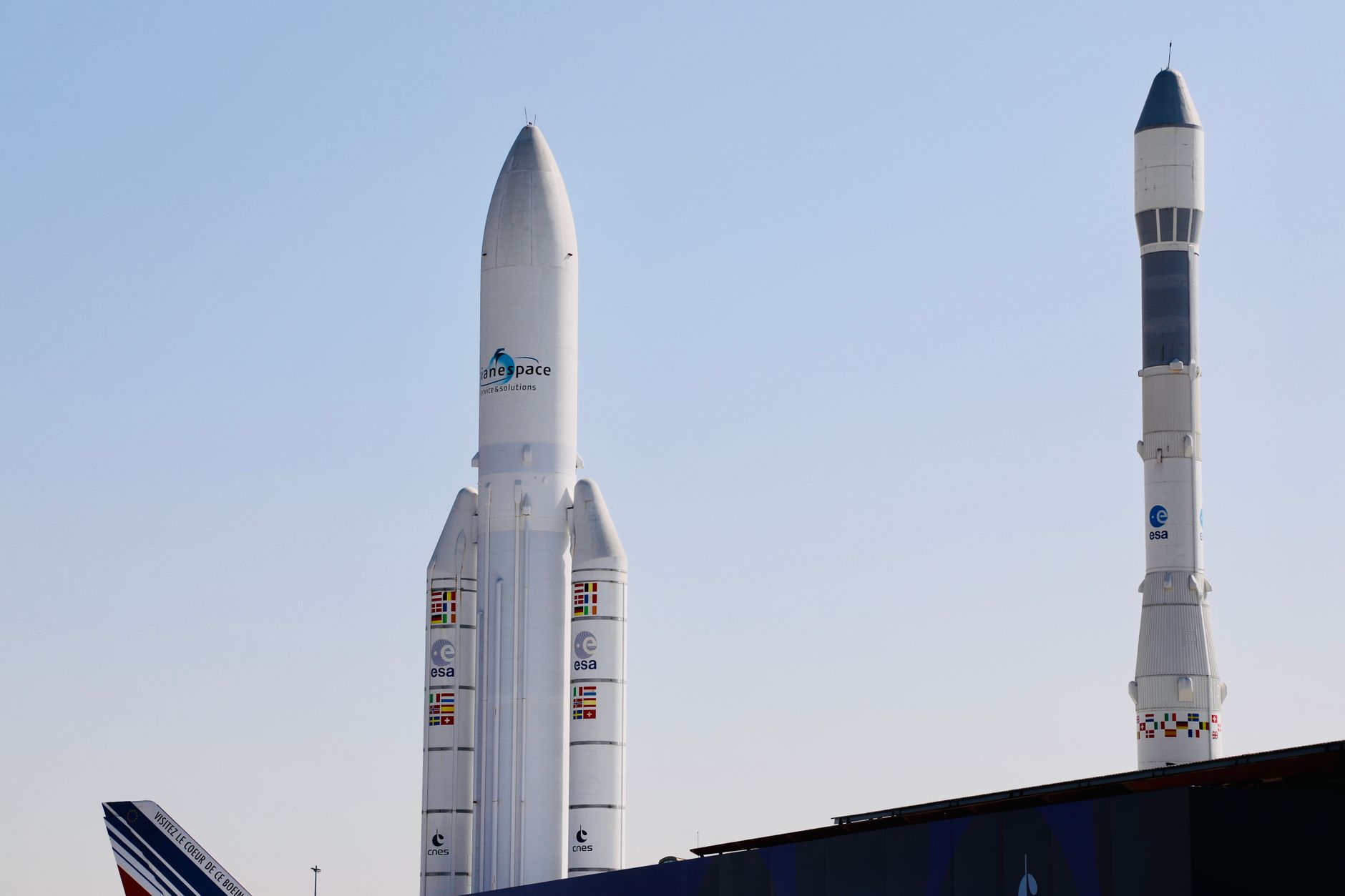
Photo by Léa Claisse on Pexels
Sources
Related reading
Windows 11 updates: Are They the Best Proven Fixes? · Agile Robots funding: Best Proven Investment Opportunity · SpaceX Starship return: Best proven technology for safe landings
About the Author